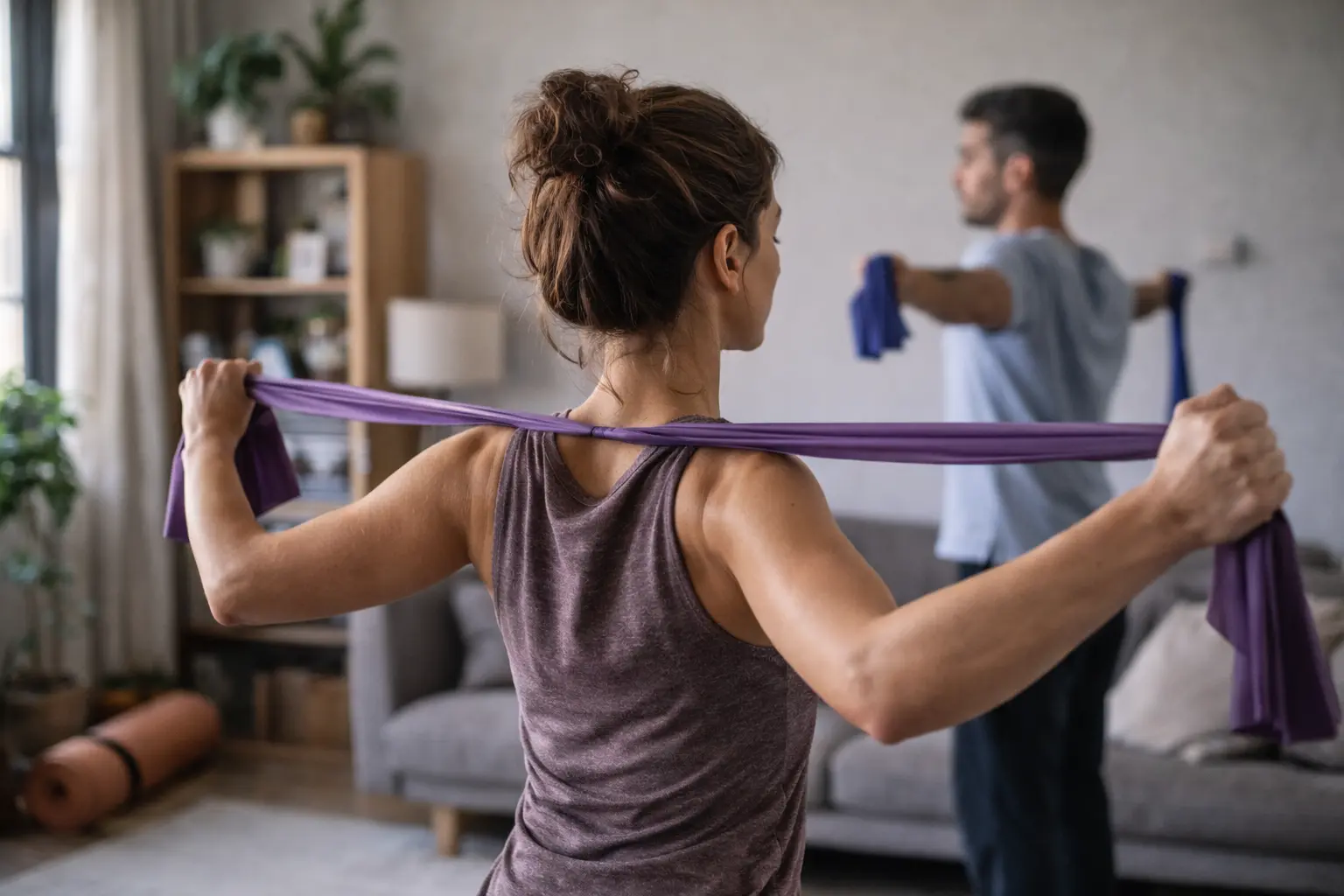
Your back aches, your shoulders feel permanently hunched, and simple tasks like reaching for something on a shelf leave you wincing—but posture correction exercises might be the game-changer you’ve been searching for.
The importance of posture for seniors
Maintaining good posture isn’t just about standing up straight—it’s about reclaiming your independence and comfort. As we age, our bodies naturally shift. Muscles weaken, bones lose density, and gravity seems to pull harder on our shoulders and spine. Poor posture compounds these changes, creating a domino effect of problems. A senior I know, Margaret, spent years hunched over her gardening without realizing how her rounded shoulders were restricting her breathing and throwing off her balance. She’d feel dizzy climbing stairs, her back would ache after short walks, and she started avoiding activities she loved. The truth is, when your spine isn’t aligned properly, your whole body compensates. Your neck strains, your lower back tightens, and your core muscles weaken further because they’re not being used correctly. Good posture corrects this pattern, distributing your body weight evenly and letting your muscles work as they were designed to.
- Improved spinal alignment
- Enhanced breathing and circulation
- Reduced risk of falls and injuries
Popular posture exercise programs for seniors
When seniors start looking for solutions, they often discover Pilates, yoga, and Tai Chi—and for good reason. These programs work because they’re gentle yet effective, focusing on the exact muscles that support your posture. Pilates, for instance, targets your core in ways that everyday movement doesn’t. You’re lying on a mat, moving slowly and deliberately, and suddenly you feel muscles engage that you’d forgotten existed. Yoga offers something different: it combines strength with flexibility and mindfulness. A senior doing a simple mountain pose isn’t just standing there—they’re learning body awareness, understanding where their shoulders sit, where their pelvis aligns. Tai Chi feels almost meditative, flowing movements that improve balance and coordination while strengthening stabilizer muscles. What makes these programs work for seniors is that they’re scalable. Can’t do a full plank? There’s a modified version. Need more support? Props and walls are your friends. Many seniors report feeling more confident after just a few weeks, noticing they stand taller without thinking about it.
💬 Ready to feel better in 2 minutes?choose where to begin:
Real-life changes through posture correction
The transformations are real and often surprising. Take Robert, a 72-year-old who started a Pilates class thinking he’d just improve his back pain. Within six weeks, he noticed his clothes fit differently—not because he’d lost weight, but because his posture had shifted and his frame was more upright. His grandchildren even commented that he looked taller. Beyond the physical changes, there’s something psychological that happens. When you stand straighter, you feel more capable. Stairs feel less intimidating. You can reach higher shelves without that sharp pain shooting down your spine. Daily tasks like cooking, gardening, or playing with grandkids become enjoyable again instead of something you dread. The consistency matters tremendously. One or two sessions won’t do it, but committing to a program three times a week for eight weeks? That’s when you see real shifts. Your muscles remember the correct alignment, your nervous system adapts, and suddenly good posture becomes your default instead of something you have to force.
Choosing the right program for you
Finding the right fit requires honest self-assessment. Start by asking yourself what appeals to you. Do you want a structured, controlled environment like Pilates offers, or something more flowing and meditative like yoga? What’s your current fitness level? If you haven’t exercised in years, Tai Chi might feel more accessible than intense Pilates reformer classes. Consider practical factors too: do you prefer group classes for the community aspect, or one-on-one instruction to feel more supported? Cost matters—some programs are expensive, while community centers often offer affordable options. Before starting anything, talk to your doctor or a physical therapist, especially if you have existing pain or conditions. They can spot potential issues and suggest modifications. Once you’ve chosen, give yourself at least four to six weeks before deciding if it’s working. Your body needs time to adapt and learn new movement patterns. And don’t be afraid to try multiple programs; what works for your friend might not be your perfect fit, and that’s completely okay.
Discover how popular posture exercise programs for seniors can enhance spinal alignment, balance, and overall well-being. By focusing on core strength and flexibility, seniors can regain control over their posture and enjoy improved mobility and comfort in daily life.
Can posture correction exercises help relieve back pain?
Yes, posture correction exercises can strengthen muscles and improve spinal alignment, reducing back pain for many seniors.
Are posture exercise programs suitable for beginners?
Most posture exercise programs offer modifications for beginners, ensuring a safe and gradual progression towards better posture and overall health.
Others also read:
Disclaimer: This article is for informational purposes only and is not a substitute for professional medical advice. Always consult a healthcare professional for personal guidance.
This article presents an experience-based perspective and has been reviewed by the GlobalHealthBeacon editorial team in 2026. It provides structured, evidence-based information to support informed health decisions.
