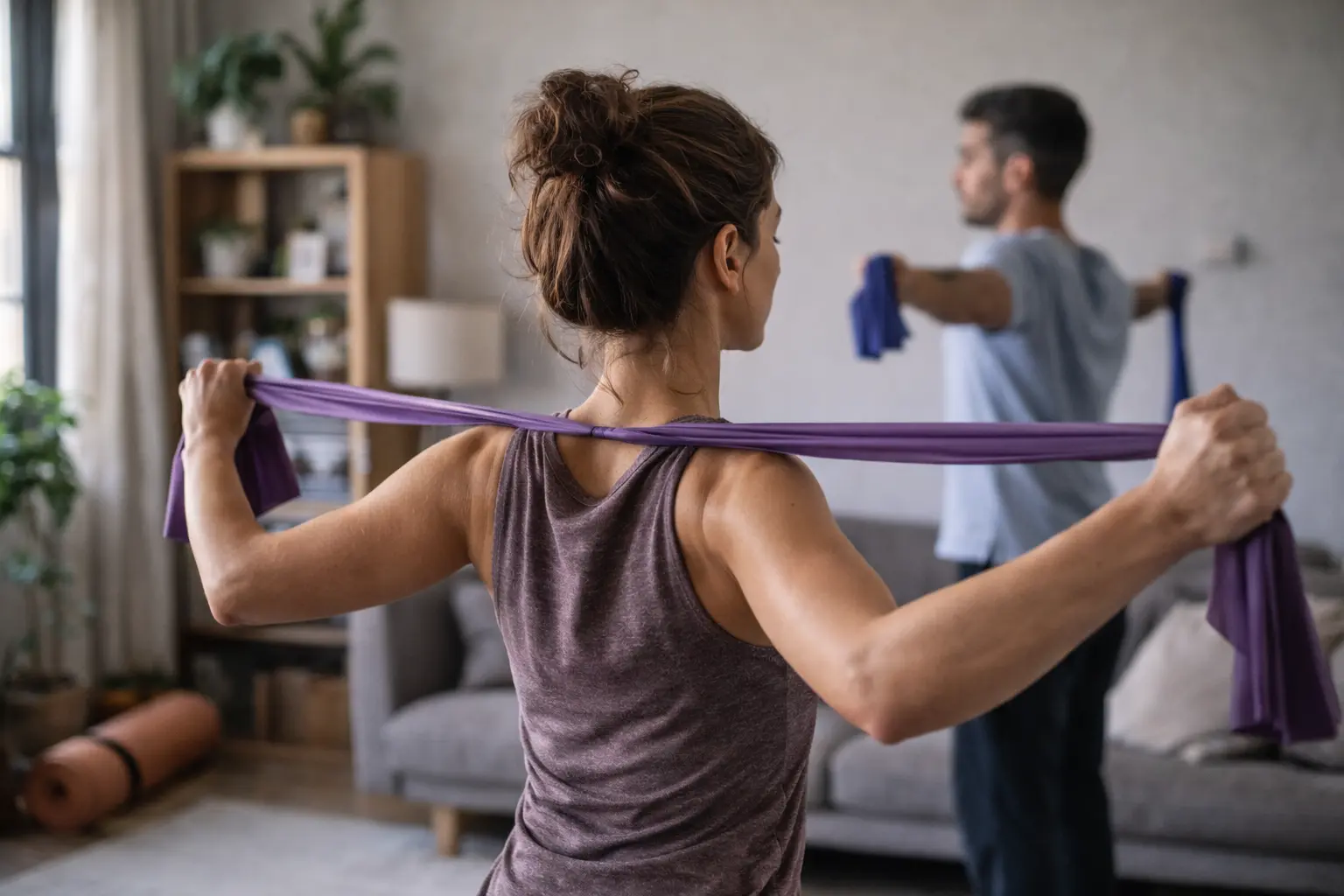
Your neck aches after hours hunched over your laptop, your lower back throbs by evening, and you catch yourself slouching in every mirror, but posture correction exercises might be the missing piece that finally stops the pain cycle and gives you back the confidence you thought you’d lost.
Understanding the basics: why posture matters
Poor posture isn’t just about looking slouched; it’s a silent saboteur affecting your entire body in ways you might not even realize. Think about Sarah, a 24-year-old marketing manager who spent eight hours daily hunched over spreadsheets. Within months, she developed tension headaches, chronic neck pain, and even noticed her digestion getting worse. The connection seemed random until she learned that poor posture compresses your organs, restricts breathing, and creates constant strain on muscles that weren’t designed to hold that position. By improving how you hold yourself, you prevent these cascading side effects. Your spine has a natural curve, and when you fight against it, everything downstream suffers. Understanding this relationship between posture and wellness is the first step toward real change.
- Enhances breathing and circulation
- Reduces strain on muscles and joints
- Boosts self-confidence and body image
Forming healthy habits: simple exercises to try
The beauty of posture correction is that you don’t need fancy equipment or gym memberships. Start with shoulder blade squeezes: sit upright, pull your shoulders back, and squeeze your shoulder blades together for five seconds. Do this ten times, three times daily. Then try chin tucks, where you gently tuck your chin back as if making a double chin, holding for three seconds. Wall angels are another game-changer: stand with your back against a wall, arms bent at ninety degrees, and slowly raise and lower your arms. James, a 26-year-old software developer, incorporated these three exercises into his morning routine for just five minutes. Within two weeks, he noticed his monitor posture had shifted naturally, and within a month, his afternoon back pain had nearly vanished. The key is consistency, not intensity. These moves strengthen your back muscles, align your spine, and help you stand taller with genuine ease.
💬 Ready to feel better in 2 minutes?choose where to begin:
Tracking progress: how to stay motivated
Progress isn’t always visible overnight, which is why tracking becomes your secret weapon against discouragement. Keep a simple journal noting how your neck feels, whether you caught yourself slouching, or how long you could sit straight before fatigue set in. Apps like PostureScreen or even a basic notes app work equally well. Celebrate small wins: sitting through an entire meeting without neck strain, noticing less shoulder tension, or realizing you stood up straight without thinking about it. Emma, a 23-year-old student, took photos of her posture weekly and was shocked to see visible changes by week four. She also tracked energy levels and discovered that better posture meant better focus during study sessions. These tangible markers transform posture correction from an abstract goal into a measurable journey. Your body will thank you for the extra care, and honestly, seeing yourself improve is incredibly motivating.
Real results: testimonials from young adults like you
The proof isn’t in theory; it’s in the lived experiences of people just like you. Marcus, 25, went from avoiding photos due to slouching to feeling comfortable in his own skin after three months of consistent posture work. He reported not just reduced back pain, but improved focus at work and even better sleep quality. Priya, 22, discovered that fixing her posture helped her anxiety; standing taller literally made her feel more confident in social situations. These aren’t miracle stories; they’re realistic transformations that happen when you commit to small, daily changes. Young adults across different professions, lifestyles, and body types have seen tangible benefits from posture correction exercises. From reduced back pain to improved focus, better breathing, and even enhanced mood, the results speak for themselves. The common thread among all these stories is that change didn’t happen overnight, but it absolutely happened.
Posture correction exercises go beyond aesthetics; they impact your overall well-being. By understanding the importance of posture, adopting simple exercises, and tracking your progress, you can achieve real results. Testimonials from young adults confirm the effectiveness and transformative power of correcting your posture.
Are posture correction exercises time-consuming?
Not at all. With just a few minutes a day, you can incorporate these exercises into your routine without disrupting your schedule.
Can posture correction exercises help with chronic pain?
While results may vary, many individuals have reported a reduction in chronic pain after consistently practicing posture correction exercises.
Others also read:
Disclaimer: This article is for informational purposes only and is not a substitute for professional medical advice. Always consult a healthcare professional for personal guidance.
This article presents an experience-based perspective and has been reviewed by the GlobalHealthBeacon editorial team in 2026. It provides structured, evidence-based information to support informed health decisions.
