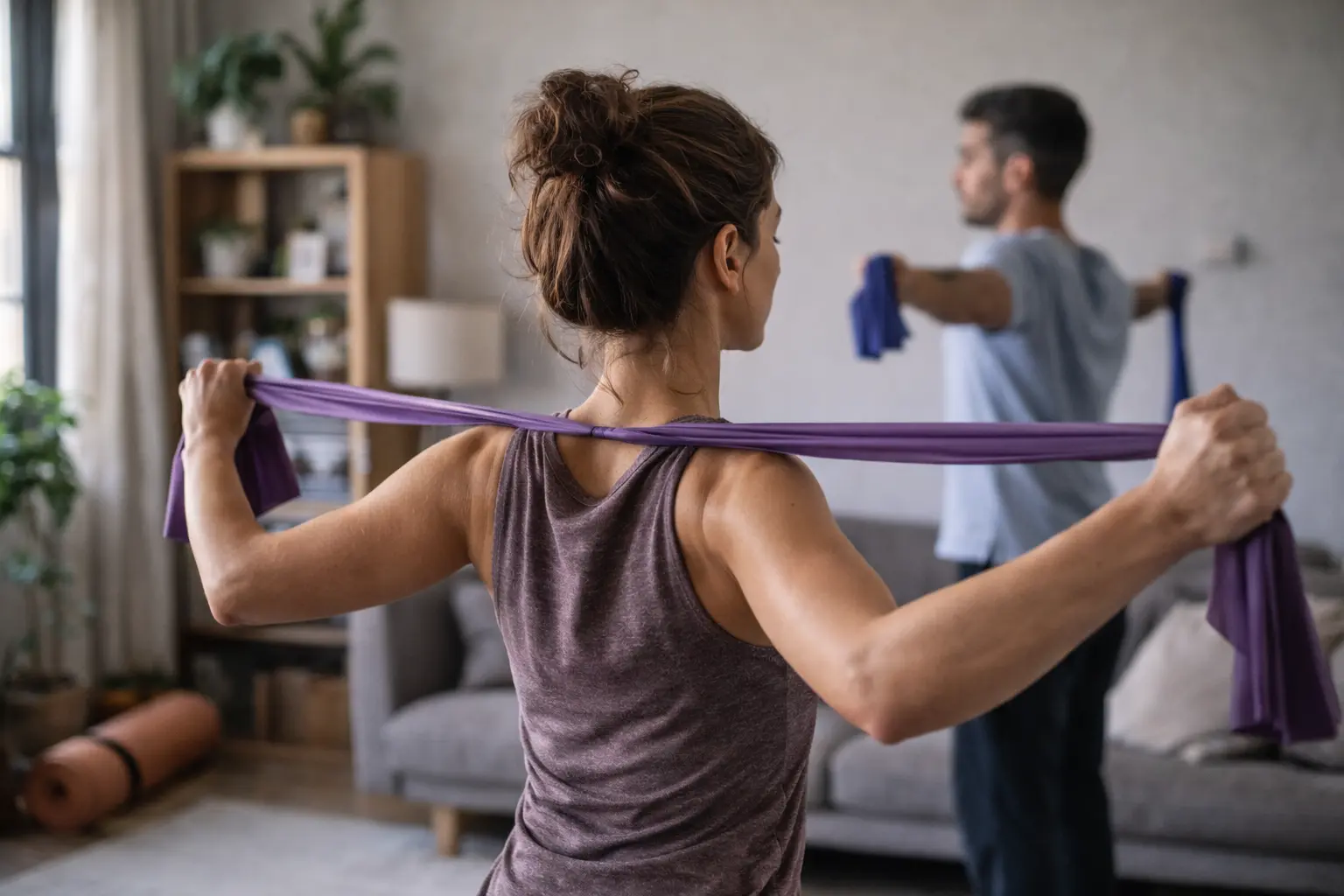
Your back aches, your shoulders creep up to your ears, and you catch yourself hunched over again, but posture correction exercises might be the missing piece that finally lets you stand tall without thinking about it.
Understanding posture correction exercises
Posture correction exercises are far more than just standing up straight. They involve a deliberate, progressive approach to retraining your muscles and nervous system to support your spine naturally. Think of it like teaching your body a new language. When you perform these exercises consistently, you’re essentially reminding your muscles what proper alignment feels like. For a senior who has spent years at a desk or in a car, this relearning process takes patience. The exercises target deep stabilizer muscles that often go dormant with age. Stretching routines complement this work by releasing tension in tight areas like your chest and hip flexors, which naturally pull you forward. Walking through your day with awareness of your posture becomes easier once these muscles remember their job. You might notice relief from neck pain, easier breathing, and even improved confidence when you see yourself standing taller in the mirror.
- Postural exercises focus on strengthening specific muscles to support proper alignment.
- Stretching routines can help release tension and increase flexibility for better posture.
- Maintaining good posture while sitting, standing, and walking is crucial for long-term benefits.
Importance of alignment for seniors
As you move through your sixties, seventies, and beyond, your body undergoes real changes. Muscle mass naturally declines, bones become less dense, and connective tissues lose elasticity. These shifts happen to everyone, but they often go unnoticed until you realize you cannot reach the top shelf as easily or that your lower back complains after gardening. Poor posture accelerates these age-related changes by forcing your muscles to work inefficiently and your joints to bear uneven loads. A senior with rounded shoulders and a forward head position is essentially asking their neck and lower back to carry extra burden every single day. Over time, this leads to chronic pain, reduced mobility, and even falls. By incorporating posture correction exercises into your routine now, you actively counteract these patterns. You are not just improving how you look; you are protecting your spine, reducing injury risk, and maintaining the independence that lets you live the life you want.
📘 Fix your day in under 2 minuteschoose where to begin:
Key posture correction techniques
Start with shoulder blade squeezes, a simple yet powerful exercise. Sit or stand with your arms at your sides, then gently pull your shoulder blades down and back as if you are trying to tuck them into your back pockets. Hold for two seconds, release, and repeat ten times. This single movement wakes up muscles that have gone to sleep from years of forward slouching. Next, add chest stretches by standing in a doorway, placing your forearm on the frame at shoulder height, and gently leaning forward until you feel a stretch across your chest. Hold for thirty seconds on each side. Follow this with core workouts like modified planks or wall push-ups, which strengthen the muscles that support your spine from the front. A simple routine of these three techniques, performed three times weekly, creates noticeable change within four to six weeks. Many seniors report that their clothes fit differently and their energy improves because their lungs have more room to expand.
Practical tips for better posture
Throughout your day, use simple cues to check in with your alignment. When sitting, imagine a string pulling the top of your head toward the ceiling; your shoulders should feel relaxed and away from your ears. Your feet should rest flat on the floor or a footrest, and your back should maintain its natural curve against the chair. When standing, distribute your weight evenly across both feet, engage your core gently, and let your arms hang naturally. When walking, lead with your chest rather than your chin, and keep your gaze forward, not down. Set phone reminders every two hours to pause and reset your posture. Many seniors find that placing a small piece of tape in an X pattern on their upper back serves as a tactile reminder to pull shoulders back. If you work at a computer, position your screen at eye level and keep your keyboard close enough that your elbows bend at ninety degrees. These small, practical adjustments compound over time and become automatic.
Consistency is key for long-lasting results
The truth about posture correction is that there is no quick fix, but there is a reliable path forward. Seniors who commit to just ten to fifteen minutes of exercises three times per week see measurable improvements within six to eight weeks. The key is starting slowly and building gradually. Your body has spent decades in certain patterns, so asking it to change overnight sets you up for frustration. Instead, think of this as a long-term investment in yourself. Many seniors find it helpful to pair their exercises with a daily activity they already do, like after breakfast or while watching the evening news. This habit-stacking approach removes the need to remember and makes consistency effortless. Listen to your body’s signals. Some mild discomfort during stretching is normal, but sharp pain is not. If something hurts, modify the exercise or skip it and consult your doctor. Track small wins, like noticing you can turn your head more easily or that your shirt no longer pulls across your shoulders. These victories build momentum and reinforce your commitment to better posture.
Exploring the top posture correction methods for seniors reveals a range of exercises and techniques that can help enhance alignment, strengthen muscles, and promote better posture for improved overall well-being.
How long does it take to see results from posture correction exercises?
The timeline for experiencing results from posture correction exercises varies for each individual. Consistent practice and proper technique are key factors in achieving visible improvements in posture over time.
Are posture correction exercises suitable for seniors with existing medical conditions?
It’s important for seniors with existing medical conditions to consult with a healthcare provider before starting any new exercise regimen, including posture correction exercises. A professional can offer guidance on safe and effective methods tailored to individual health needs.
Others also read:
Disclaimer: This article is for informational purposes only and is not a substitute for professional medical advice. Always consult a healthcare professional for personal guidance.
This guide has been prepared and reviewed by the GlobalHealthBeacon editorial team and reflects current medical research as of 2026. It provides structured, evidence-based information to support informed health decisions.
