Your digestive system feels sluggish, your energy dips after meals, and you wonder if this is just what getting older means – but what if the real problem is that your gut bacteria are starving, and a simple prebiotics foods list could actually change everything?
What are prebiotics?
Prebiotics are specialized types of indigestible fiber that your body cannot break down during normal digestion. Instead of being absorbed in your small intestine like regular nutrients, these fibers travel intact to your colon, where they become food for your beneficial bacteria. Think of them as selective fertilizer for your gut garden. Your gut contains trillions of microorganisms, and the good bacteria like Bifidobacterium and Lactobacillus depend on these fibers to survive and multiply. Without adequate prebiotic intake, these helpful microbes struggle to thrive, which can lead to an imbalance in your gut ecosystem. Common prebiotic compounds include inulin, oligofructose, and fructooligosaccharides. As you age, maintaining this microbial balance becomes increasingly important because your natural bacterial populations naturally shift. Understanding this distinction matters: prebiotics feed bacteria, while probiotics are the bacteria themselves. Both play complementary roles in supporting your digestive health.
Benefits of prebiotics
When you consume prebiotics regularly, you’re essentially creating an environment where beneficial bacteria flourish and outcompete harmful microorganisms. This shift in your gut composition triggers several cascading effects throughout your body. Your intestinal lining becomes more resilient, which improves its ability to absorb essential minerals like calcium and magnesium, nutrients that become harder to absorb as you age. The beneficial bacteria produce short-chain fatty acids, particularly butyrate, which nourish your colon cells and reduce inflammatory responses. Many seniors experience improved regularity and more comfortable digestion within weeks of increasing prebiotic intake. Beyond digestion, emerging research suggests these changes influence your immune function, as roughly 70 percent of your immune system resides in your gut. Some studies indicate connections between prebiotic consumption and mood regulation, though this research is still developing. The anti-inflammatory effects may also support joint comfort and overall mobility, concerns many older adults face. These benefits develop gradually as your microbial ecosystem rebalances, typically taking several weeks to become noticeable.
How to incorporate prebiotics into your diet
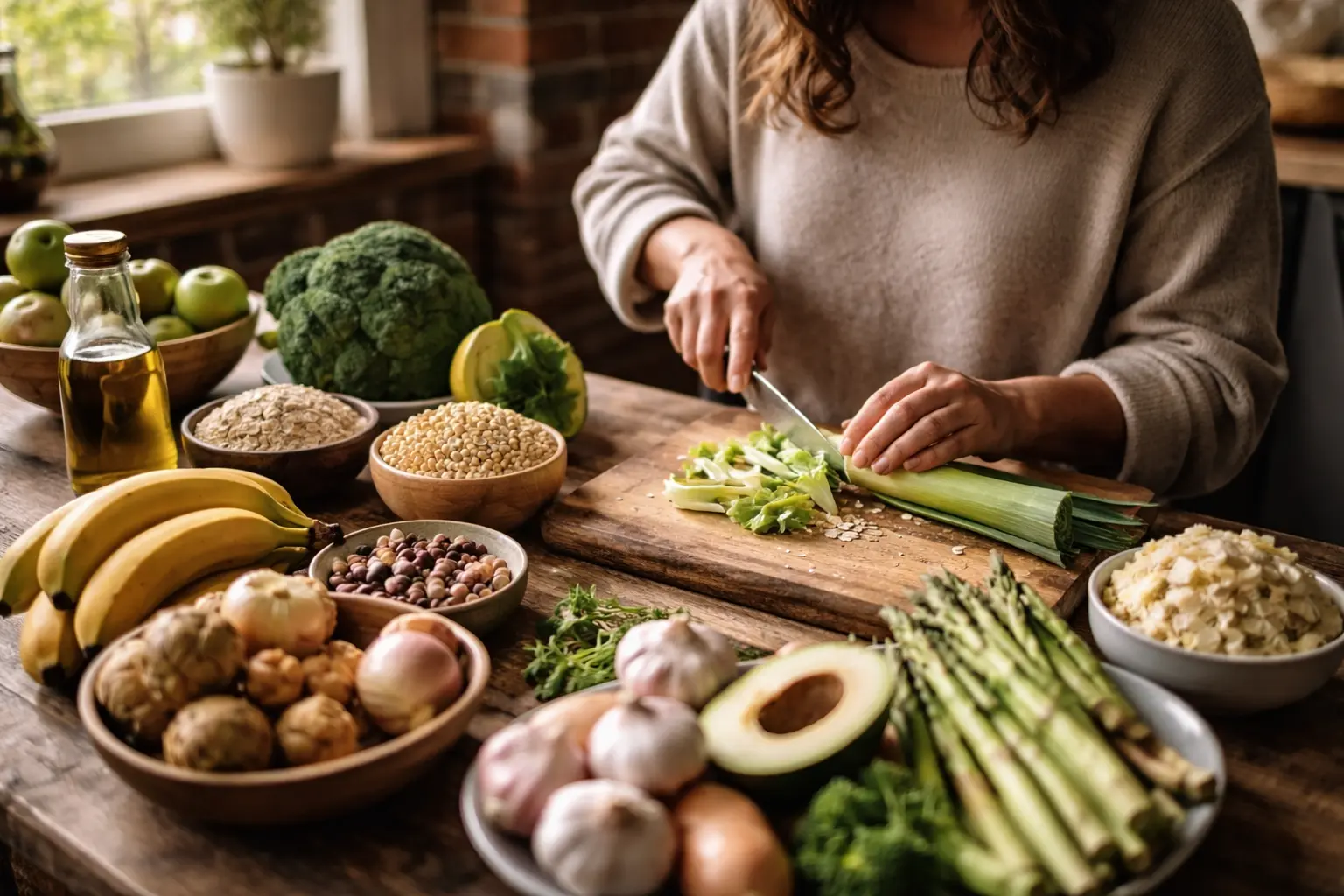
Starting a prebiotic-rich diet requires a thoughtful approach, especially if your digestive system has been sensitive. Begin by identifying which prebiotic foods appeal to you: bananas contain resistant starch when slightly underripe, onions and garlic are flavor powerhouses loaded with inulin, asparagus and leeks offer both prebiotics and other nutrients, and whole grains like oats and barley provide sustained fiber. A practical strategy involves adding one new prebiotic food every three to five days, allowing your system to adjust gradually. For example, you might start by adding half a sliced onion to your evening meal, then progress to a full onion the following week. Apples with skin intact, artichokes, and chicory root are other excellent options. Some seniors find that cooking these foods initially makes them easier to tolerate. If you’re considering supplements like inulin powder or oligofructose capsules, start with very small amounts, perhaps one-quarter teaspoon mixed into yogurt or oatmeal. Track how you feel in a simple food journal, noting energy levels, digestion comfort, and any changes in regularity. This personalized approach helps you find your optimal prebiotic intake without overwhelming your system.
- Start with one prebiotic food like bananas or onions, adding small amounts to familiar meals.
- Gradually increase portions over several weeks, allowing your digestive system to adapt comfortably.
- Experiment with diverse prebiotic sources including asparagus, garlic, whole grains, and apples with skin.
- Consider prebiotic supplements like inulin only after establishing tolerance with whole foods, starting with minimal doses.
- Keep a simple food journal tracking digestion, energy, and any changes in bowel regularity.
🔬 Science-backed benefits in 2 minuteschoose where to begin:
Understanding the gut-brain connection
Your gut and brain communicate constantly through what scientists call the gut-brain axis, a bidirectional pathway involving your nervous system, hormones, and immune signaling. When you consume prebiotics and your beneficial bacteria thrive, they produce neurotransmitters like serotonin and GABA, compounds that influence mood and cognitive function. Consider this scenario: a senior notices that after consistently eating prebiotic-rich foods for six weeks, their afternoon brain fog lifts and they feel more mentally sharp during their morning activities. This isn’t coincidence. Your gut bacteria also produce short-chain fatty acids that cross the blood-brain barrier and influence neuroinflammation, a factor in age-related cognitive changes. Research suggests that a healthy prebiotic-supported microbiota may help maintain memory function and emotional resilience as you age. The vagus nerve, which connects your gut directly to your brain, carries signals that affect stress response and sleep quality. Many older adults report sleeping more soundly once their gut health improves. While this field of research is still evolving, the evidence suggests that investing in your prebiotic intake may support not just digestive comfort but also mental clarity and emotional well-being during your senior years.
Potential risks of prebiotics
While prebiotics offer substantial benefits, introducing them too quickly can trigger temporary digestive discomfort as your bacterial populations shift and fermentation increases in your colon. Common experiences include bloating, gas, mild cramping, or changes in bowel habits during the first one to three weeks. This adjustment period, sometimes called the prebiotic adjustment phase, is temporary and typically subsides as your system adapts. Seniors with certain digestive conditions like irritable bowel syndrome, small intestinal bacterial overgrowth, or inflammatory bowel disease may need to approach prebiotics more cautiously or under professional guidance. Some individuals experience increased gas production that can feel uncomfortable during social situations, a concern many older adults mention. The key strategy is introducing prebiotics gradually, starting with small amounts and increasing slowly over weeks rather than days. If you experience persistent discomfort beyond three weeks, reduce your intake and progress more slowly. Staying well-hydrated helps your system process increased fiber more comfortably. Those taking certain medications or managing specific health conditions should discuss prebiotic introduction with their healthcare provider. Most discomfort is temporary and manageable with patience and a slow, steady approach rather than dramatic dietary overhauls.
Final thoughts on prebiotics
As you navigate your senior years, the choices you make about nutrition compound over time, creating either vibrant health or gradual decline. Your gut health serves as a foundation for digestion, immunity, nutrient absorption, and even cognitive function. By understanding how prebiotics work and recognizing them as selective food for your beneficial bacteria, you shift from passive aging to active participation in your well-being. The prebiotics foods list doesn’t require expensive supplements or dramatic lifestyle changes. Simple additions like eating an apple with skin, adding garlic to your cooking, or choosing whole grain bread over refined options create meaningful shifts in your microbial ecosystem. Many seniors report that once they establish consistent prebiotic intake, they notice improvements in energy, digestion comfort, and mental clarity within weeks. The journey toward better gut health is gradual and personal, reflecting your unique preferences and tolerances. By taking a thoughtful, patient approach to incorporating prebiotic-rich foods, you’re investing in your ability to enjoy meals, maintain energy for activities you love, and support the biological systems that keep you feeling your best throughout your golden years.
Prebiotics are indigestible fibers that selectively feed beneficial bacteria in your colon, supporting improved digestion, nutrient absorption, and immune function. By gradually incorporating prebiotic-rich foods like bananas, onions, garlic, whole grains, and asparagus into your daily meals, seniors can foster a healthier gut ecosystem. This balanced microbiota may also support cognitive function and emotional well-being through the gut-brain connection. While temporary digestive adjustment is normal when starting prebiotics, introducing them slowly minimizes discomfort and allows your system to adapt naturally.
Can I take prebiotics every day?
Yes, consuming prebiotics daily as part of a balanced diet is safe and beneficial for most people. However, introduce them gradually over several weeks to allow your digestive system to adjust. Start with small amounts and increase slowly to avoid temporary bloating or gas. Once your system adapts, daily prebiotic intake supports ongoing gut health and bacterial balance.
Are prebiotics safe for seniors with digestive issues?
Seniors with existing digestive conditions should consult their healthcare provider before significantly increasing prebiotic intake. Those with irritable bowel syndrome, inflammatory bowel disease, or small intestinal bacterial overgrowth may need a more gradual approach or professional guidance. Your doctor can help determine appropriate prebiotic sources and amounts based on your individual health situation.
Others also read:
Disclaimer: This article is for informational purposes only and is not a substitute for professional medical advice. Always consult a healthcare professional for personal guidance.
This article has been prepared and reviewed by the GlobalHealthBeacon editorial team and is based on current medical research and published scientific literature available in 2026. It provides structured, evidence-based information to support informed health decisions.
