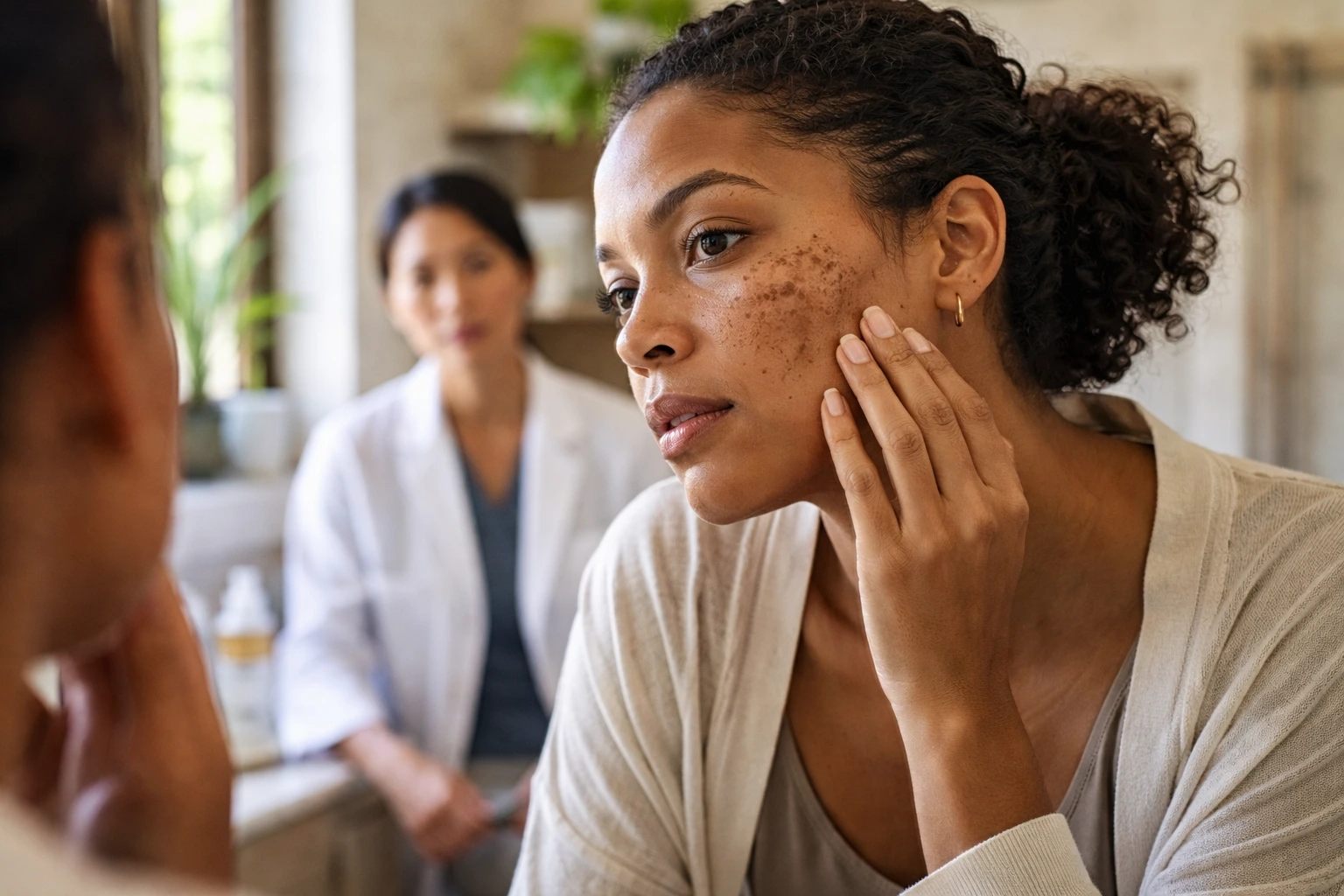
That burning, tingling sensation spreading across your skin followed by an angry red rash is shingles rash symptoms hitting you hard, and the pain can feel absolutely relentless, but you’re not stuck with it.
Identifying shingles rash symptoms
Shingles typically announces itself with a burning or tingling sensation on one side of your body, often starting days before any visible signs appear. This initial phase can feel confusing because you might mistake it for a muscle strain or nerve irritation. Within a few days, a red rash emerges in the same area, quickly developing into fluid-filled blisters that cluster together. Many women describe this stage as intensely painful, itchy, and sensitive to even light touch or clothing. The rash usually follows a band-like pattern along a nerve pathway, which is why it typically affects only one side of your body. You might also experience fever, chills, or fatigue alongside the rash. If you notice these symptoms, contact your healthcare provider promptly for proper diagnosis and treatment options.
- Burning or tingling sensation
- Red rash turning into blisters
- Itching, pain, and sensitivity
Managing pain and discomfort
Pain management is your first priority when dealing with shingles. Start by applying cool, damp compresses to the affected area for 15 to 20 minutes several times daily, which numbs the area and reduces inflammation. Over-the-counter pain relievers like acetaminophen or ibuprofen can help manage moderate discomfort, but follow package directions carefully. Keep the rash clean and dry by gently washing with mild soap and patting dry, then avoid tight clothing that rubs against the blisters. Calamine lotion or hydrocortisone cream can soothe itching, though avoid scratching at all costs since this increases infection risk and scarring. Some women find relief by wearing loose cotton clothing and keeping the area uncovered when possible to allow air circulation. If pain becomes severe or interferes with sleep, ask your doctor about prescription-strength options.
📘 Fix your day in under 2 minuteschoose where to begin:
Boosting immune system
Your immune system is your best defense against shingles severity and duration. Eating a balanced diet rich in vitamins and minerals strengthens your body’s ability to fight the virus. Focus on citrus fruits like oranges and lemons for vitamin C, leafy greens like spinach and kale for folate, and nuts and seeds for zinc and selenium. Stay hydrated by drinking plenty of water throughout the day, which helps your body flush out toxins and supports healing. Prioritize sleep during your recovery period, aiming for 7 to 9 hours nightly since this is when your immune system does its most important repair work. Consider adding immune-boosting foods like garlic, ginger, and turmeric to your meals. If you’re struggling to eat due to pain, smoothies with yogurt, berries, and protein powder offer nutrition without requiring much chewing.
Reduce stress levels
Stress weakens your immune response and can intensify shingles pain, creating a difficult cycle. When you’re stressed, your body produces cortisol, which suppresses immune function and makes recovery slower. Identify what relaxation methods work for you personally. Deep breathing exercises, where you inhale for four counts and exhale for six, activate your parasympathetic nervous system and calm your body. Meditation, even just 10 minutes daily, reduces stress hormones and helps you manage pain psychologically. Gentle yoga or stretching keeps your body moving without aggravating the rash. Engaging in activities you genuinely enjoy, whether that’s reading, listening to music, or spending time with loved ones, provides emotional relief and distraction from discomfort. Prioritize self-care by setting boundaries around work and obligations during your recovery period.
Seek medical advice
Medical intervention becomes crucial if your symptoms persist beyond two weeks or worsen despite home care efforts. Your healthcare provider may prescribe antiviral medications like acyclovir, valacyclovir, or famciclovir, which are most effective when started within 72 hours of rash onset. These medications reduce the severity of symptoms, shorten the duration of the outbreak, and lower the risk of complications like postherpetic neuralgia, a painful condition that can linger long after the rash heals. If you experience severe pain, vision changes, or symptoms spreading to your face or eye area, seek immediate medical attention. Your doctor can also recommend prescription-strength pain management if over-the-counter options aren’t sufficient. Don’t hesitate to follow up if new symptoms develop or if you’re not improving as expected.
Identify shingles rash symptoms, manage pain, boost immune system, reduce stress, and seek medical advice promptly to alleviate discomfort and speed up recovery.
Can shingles rash spread to other parts of the body?
Yes, shingles rash can spread to other areas of the body if not properly managed. It’s important to keep the affected area clean and covered to prevent the spread of the virus.
Is shingles contagious to others?
While shingles itself is not contagious, the virus (varicella-zoster) that causes shingles can be transmitted to individuals who have not had chickenpox. Direct contact with the rash should be avoided to prevent transmission.
Others also read:
Disclaimer: This article is for informational purposes only and is not a substitute for professional medical advice. Always consult a healthcare professional for personal guidance.
This guide has been prepared and reviewed by the GlobalHealthBeacon editorial team and reflects current medical research as of 2026. It provides structured, evidence-based information to support informed health decisions.
