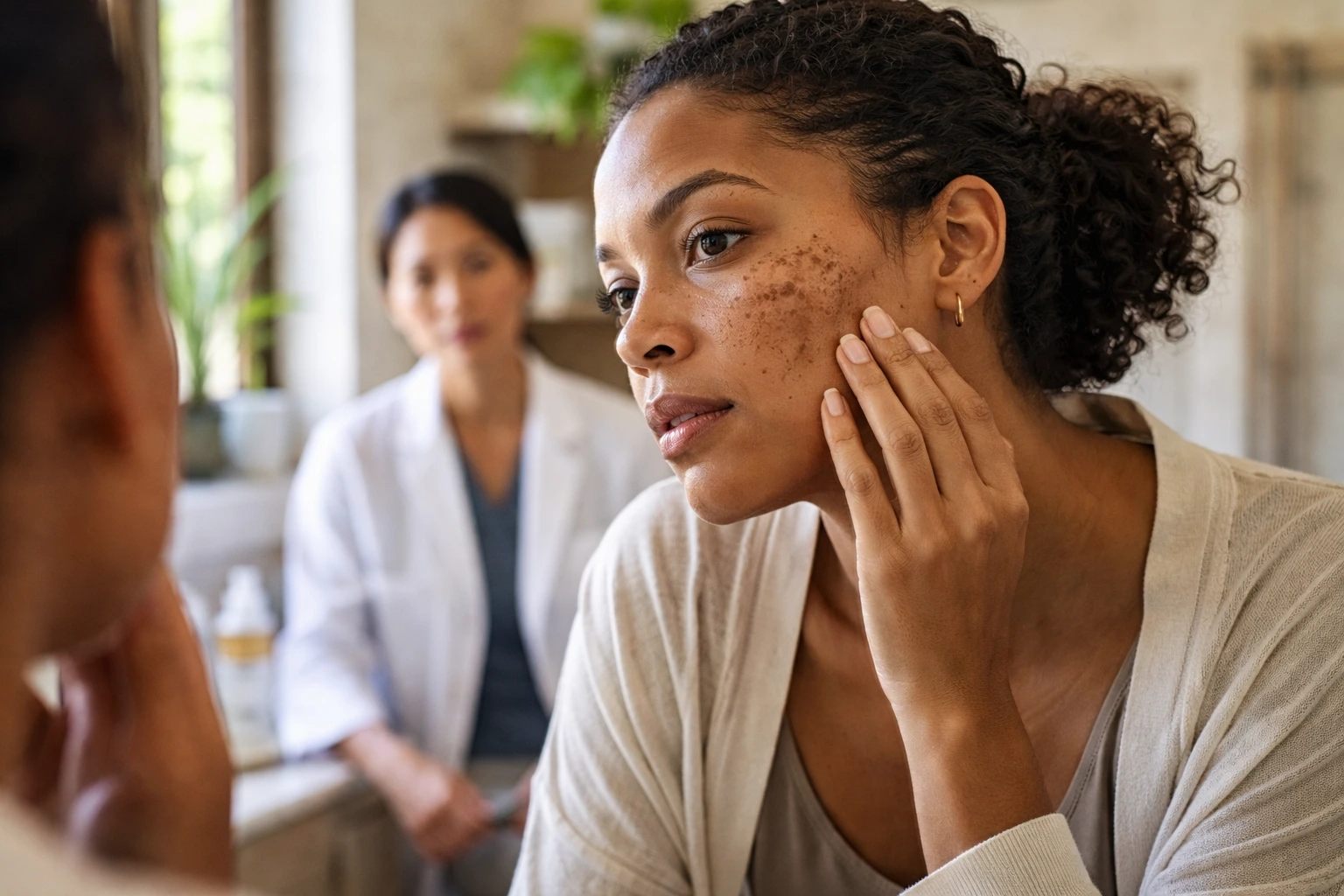
That burning, tingling sensation spreading across your skin followed by painful blisters is shingles rash symptoms hitting you hard, and you need real answers on how to handle it fast.
Recognizing early symptoms
The moment shingles strikes, your body sends unmistakable signals. Most people experience a tingling or burning sensation days before any visible rash appears, often in a specific band across one side of the torso, face, or limbs. This early warning phase is crucial because catching shingles early means you can get medical help faster. Within 3 to 5 days, red patches emerge and quickly transform into fluid-filled blisters that cluster together. The rash typically follows a dermatomal pattern, meaning it stays on one side of your body rather than spreading randomly. For young adults, recognizing this progression matters because antiviral medications work best when started within 72 hours of symptom onset. Pay attention to any localized pain that feels different from regular muscle soreness, especially if accompanied by sensitivity to touch or clothing rubbing against the area.
- Tingling or burning sensation appearing days before visible rash
- Red patches that progress to fluid-filled blisters on one side of body
- Pain or sensitivity localized to specific area
Managing pain and discomfort
Pain from shingles can range from mild irritation to severe burning that disrupts sleep and daily activities. Over-the-counter pain relievers like acetaminophen or ibuprofen provide baseline relief, but combining them with other strategies works better. Cool, wet compresses applied for 15 to 20 minutes several times daily reduce both itching and inflammation significantly. Some people find relief by wearing loose, soft clothing made from natural fabrics that won’t irritate blisters. Calamine lotion or hydrocortisone cream can ease itching temporarily, though you should avoid thick ointments that trap moisture and slow healing. If pain intensifies despite these measures, contact your doctor immediately because severe pain may indicate complications or the need for stronger prescription options. Many young adults underestimate how exhausting constant discomfort becomes, so managing it early prevents the downward spiral of poor sleep and weakened immune response.
📘 Fix your day in under 2 minuteschoose where to begin:
Maintaining hygiene and skin care
Keeping the affected area clean prevents secondary bacterial infections, which can turn a manageable shingles case into a serious complication. Wash the area gently with mild soap and lukewarm water once or twice daily, then pat dry completely with a clean towel. Avoid scrubbing or using hot water, which irritates already sensitive skin. Never pick at or pop the blisters, even though the urge can be strong, because this introduces bacteria and increases scarring risk. Change bandages or dressings daily if you choose to cover the rash, and wash your hands thoroughly before and after touching the affected area. Keep fingernails trimmed short to minimize damage if you accidentally scratch while sleeping. For young adults sharing living spaces, maintain basic hygiene practices like not sharing towels or personal items, though shingles itself is not contagious to others unless they have never had chickenpox. The goal is creating an environment where your skin can heal without additional stress or infection risk.
Seeking medical advice
While many cases of shingles resolve on their own, medical intervention significantly speeds recovery and reduces complications. Contact a healthcare provider as soon as you suspect shingles, ideally within the first 72 hours when antiviral medications like acyclovir, valacyclovir, or famciclovir are most effective. These medications reduce the severity of symptoms, shorten the duration of the rash, and lower the risk of postherpetic neuralgia, a painful condition that can linger for months. Your doctor will assess whether you have risk factors like immunosuppression or severe symptoms that warrant prescription treatment. Even if you miss the 72-hour window, seeking medical advice remains important because your doctor can rule out other conditions and provide pain management strategies tailored to your situation. Young adults sometimes hesitate to see a doctor for what feels like a minor skin issue, but shingles deserves professional attention. Don’t wait for the rash to worsen or pain to become unbearable before reaching out.
Boosting recovery with rest and nutrition
Your immune system is actively fighting the varicella-zoster virus, and rest is when healing actually happens. Aim for 7 to 9 hours of sleep nightly, and don’t push yourself with intense exercise or stress during the acute phase. Your body needs energy reserves to mount an effective immune response, so prioritize rest over productivity during this period. Nutrition matters equally because certain vitamins and minerals directly support immune function. Focus on foods rich in vitamin C like citrus fruits and leafy greens, vitamin E from nuts and seeds, and zinc from lean proteins and legumes. Stay hydrated by drinking plenty of water throughout the day, which helps your body flush out viral particles and supports skin healing. Many young adults try to power through illness without adjusting their routines, but shingles is a signal to slow down. Taking 5 to 7 days to genuinely rest and eat well accelerates recovery far more than pushing through discomfort and fatigue.
Recognizing early symptoms, managing pain, maintaining hygiene, seeking medical advice, and boosting recovery through rest and nutrition are key aspects in addressing shingles rash symptoms.
How long does a shingles rash last?
Shingles rash typically lasts 2 to 4 weeks but can persist longer in some cases. It is vital to seek medical advice for proper management.
Can shingles rash be prevented?
While there is a vaccine available for shingles, maintaining good overall health and managing stress levels can help reduce the risk of developing the condition.
Others also read:
Disclaimer: This article is for informational purposes only and is not a substitute for professional medical advice. Always consult a healthcare professional for personal guidance.
This guide has been prepared and reviewed by the GlobalHealthBeacon editorial team and reflects current medical research as of 2026. It provides structured, evidence-based information to support informed health decisions.
