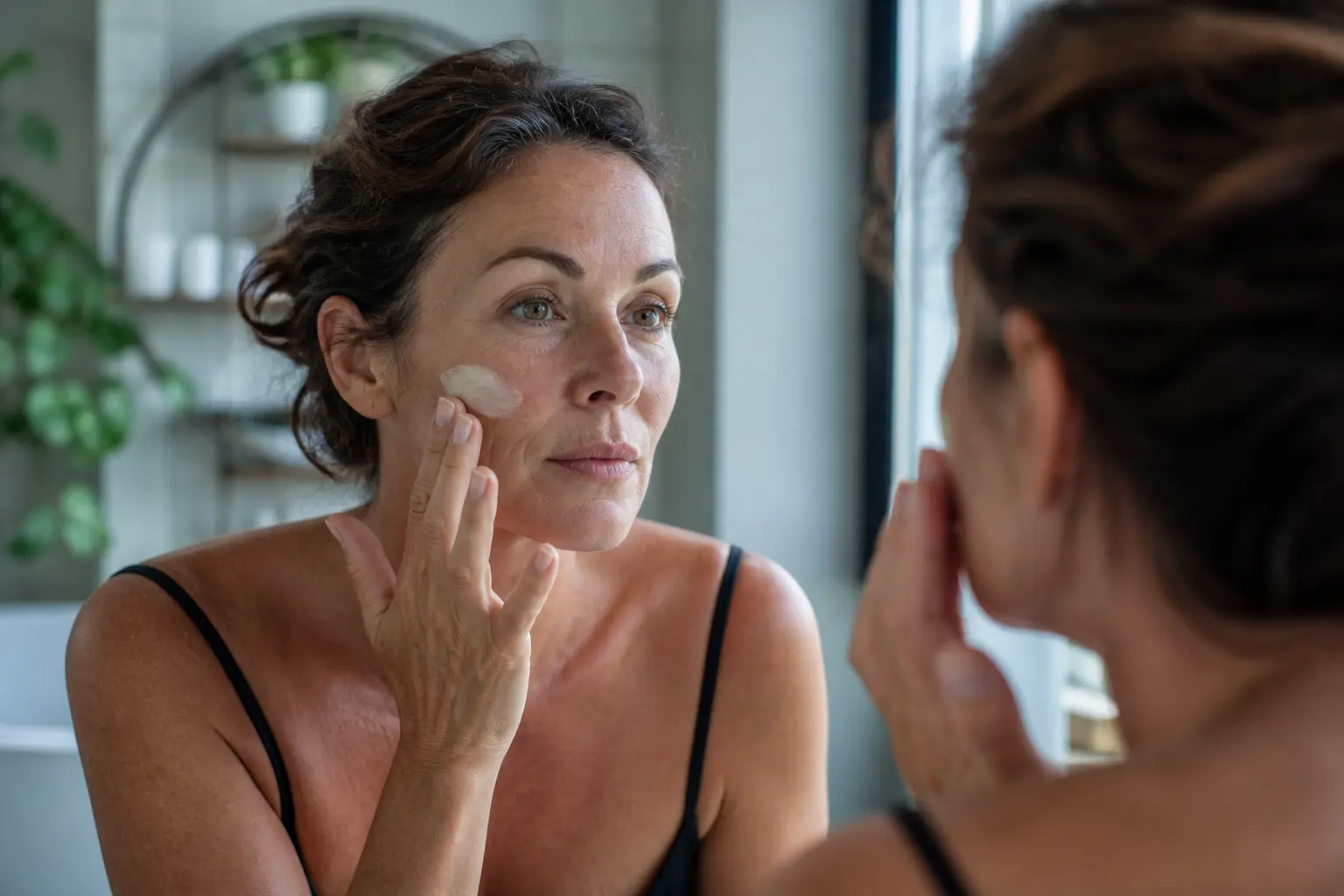
You’re noticing fine lines creeping in, sun damage showing up as spots, and your skin losing that bounce it used to have, and it’s frustrating because you didn’t realize how much sun exposure was stealing your youth until now – but here’s the truth: understanding spf anti aging benefits is the single most powerful move you can make to stop this in its tracks and actually reverse some of the damage.
Understanding the essentials of SPF
SPF stands for sun protection factor, and it’s essentially your skin’s bodyguard against two types of harmful rays: UVA and UVB. Think of UVB rays as the ones that cause immediate sunburn, while UVA rays penetrate deeper and are the real culprits behind premature aging, wrinkles, and that leathery texture you want to avoid. When you apply SPF daily, you’re creating a barrier that reflects and absorbs these rays before they can damage your skin’s collagen and elastin, the proteins responsible for keeping your skin firm and youthful. Broad-spectrum SPF protects against both types, which is why dermatologists universally recommend it. SPF 30 blocks about 97 percent of UVB rays, while SPF 50 blocks 98 percent, so the jump in protection isn’t as dramatic as the number suggests. The key is consistency and reapplication, especially if you’re spending time outdoors, swimming, or sweating through your day.
- SPF shields against both UVA and UVB rays, preventing premature aging and skin damage.
- Opt for broad-spectrum SPF that protects against both types of harmful rays.
- Choose a minimum of SPF 30 for daily use to ensure adequate protection.
- Reapply your SPF every two hours, especially when outdoors or exposed to sunlight.
Incorporating SPF into your daily skincare routine
The best SPF is the one you’ll actually use every single day, which means finding a formula that fits seamlessly into your existing routine rather than feeling like a chore. Start by applying SPF as the final step in your morning skincare, after your moisturizer has fully absorbed but before makeup. If you use a lightweight moisturizer with SPF built in, that counts, though many dermatologists recommend a dedicated SPF product for better coverage. Picture this: you wake up, cleanse your face, apply your serum or treatment product, wait two minutes, apply moisturizer, wait another minute, then apply SPF. The entire process takes less than five minutes. If you’re heading out for the day, reapply every two hours if you’re in direct sunlight, or use a powder SPF or SPF spray for touch-ups over makeup. For women who wear makeup, a tinted SPF moisturizer can replace both steps, streamlining your routine while ensuring you’re protected. The consistency matters far more than finding the perfect product, so choose something that feels good on your skin and actually gets used.
📘 Fix your day in under 2 minuteschoose where to begin:
Choosing the right SPF products
SPF products come in multiple formulations, each with different benefits depending on your skin type and lifestyle. Lightweight lotions and gels work best for oily or combination skin, absorbing quickly without leaving a greasy residue. Creams and moisturizers with SPF suit dry skin, providing hydration alongside protection. Tinted SPF products offer the bonus of light coverage, evening out skin tone while protecting from UV damage, making them perfect for days when you want minimal makeup. Mineral SPF uses zinc oxide or titanium dioxide to physically block rays, making it ideal for sensitive skin or those prone to breakouts, though it can leave a white cast. Chemical SPF absorbs into the skin and converts UV rays into heat, offering a more cosmetically elegant finish but potentially causing irritation in sensitive individuals. Consider your daily activities too: if you swim or exercise regularly, look for water-resistant formulas that maintain protection for 80 minutes in water. For women with acne-prone skin, choose non-comedogenic SPF products that won’t clog pores. Test a small amount on your jawline before committing to a full bottle, as some formulas can trigger sensitivity or breakouts.
Enhancing your anti-aging effects with SPF
SPF does far more than prevent sunburn; it’s genuinely one of the most effective anti-aging tools available because UV damage is responsible for about 80 percent of visible skin aging. When you use SPF consistently, you’re preventing new wrinkles, age spots, and uneven texture from forming while giving your skin a chance to repair existing damage. Over time, consistent SPF use can actually allow your skin to recover some of its elasticity and brightness because you’re stopping the constant assault of UV radiation. Beyond wrinkles, SPF reduces your risk of skin cancer, including melanoma, which is critical for long-term health. Women who start using SPF daily in their twenties and thirties see dramatically different skin in their forties and fifties compared to those who didn’t prioritize sun protection. The cumulative effect is remarkable: less pigmentation, fewer fine lines, more even skin tone, and maintained firmness. Pair SPF with other anti-aging ingredients like retinol, vitamin C, or peptides, and you’re amplifying your results because these actives work best when your skin isn’t being damaged by sun exposure. Think of SPF as the foundation that allows all your other skincare investments to actually work.
Final thoughts on your SPF anti-aging strategy
Building a sustainable SPF habit is about removing friction and making it automatic, like brushing your teeth. Start by choosing one SPF product you genuinely enjoy using, then commit to applying it every morning for 30 days until it becomes ingrained in your routine. Don’t wait for a sunny day or vacation to use SPF; UV rays penetrate clouds and reflect off surfaces year-round, so daily application is non-negotiable. Set a phone reminder for reapplication if you’re spending extended time outdoors, or keep a travel-size SPF in your bag for touch-ups. Track your progress by taking photos of your skin every three months to see the subtle improvements in texture, tone, and clarity that SPF provides. Remember that SPF is preventative, meaning the benefits compound over years and decades, not weeks. You won’t see dramatic results overnight, but in six months, a year, or five years, your skin will thank you for the consistency. The women who look youngest at 50 are almost always the ones who protected their skin from the sun starting decades earlier. Make SPF non-negotiable, stay consistent, and you’re investing in your skin’s long-term health and appearance.
Daily SPF use is the foundation of any anti-aging skincare strategy because it stops UV damage before it starts. Choose a broad-spectrum SPF 30 or higher that fits your skin type, apply it every morning as part of your routine, and reapply every two hours when outdoors. Consistency matters more than finding the perfect product, and the cumulative benefits of sun protection become visible over months and years as your skin maintains its firmness, clarity, and youthful appearance.
Can SPF protect my skin from aging?
Yes, SPF shields your skin from harmful UV rays that contribute to premature aging, including wrinkles, fine lines, and sunspots. UV damage causes about 80 percent of visible skin aging, so consistent SPF use is one of the most effective anti-aging strategies available.
What SPF level should I use for anti-aging benefits?
Use a minimum of SPF 30 for daily use to ensure adequate protection against UV radiation. SPF 30 blocks about 97 percent of UVB rays, which is sufficient for most daily activities. SPF 50 offers slightly more protection at 98 percent, but consistency and reapplication matter more than choosing between SPF 30 and 50.
Others also read:
Disclaimer: This article is for informational purposes only and is not a substitute for professional medical advice. Always consult a healthcare professional for personal guidance.
This guide has been prepared and reviewed by the GlobalHealthBeacon editorial team and reflects current medical research as of 2026. It provides structured, evidence-based information to support informed health decisions.
