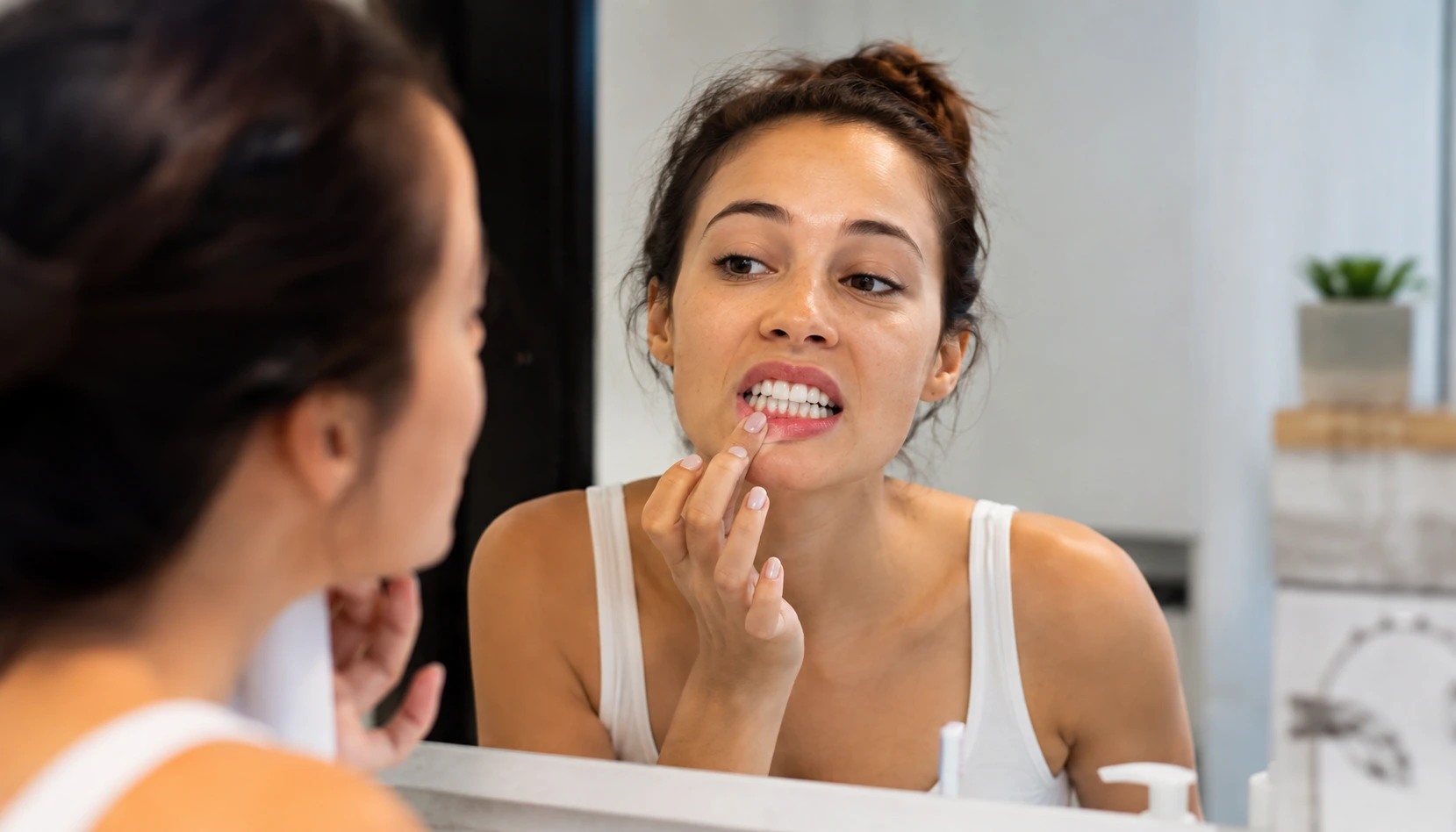
Your teeth are yellowing despite brushing, whitening strips aren’t cutting it, and you’re terrified of damaging your enamel or looking like you’ve had work done – here’s exactly how to get that bright smile safely without the dental horror stories.
Understanding teeth whitening safety
Teeth whitening works by using peroxide-based bleaching agents to penetrate the enamel and break down stain molecules that accumulate over years of coffee, wine, and aging. The challenge is that while these agents are effective, they can also cause sensitivity, gum irritation, and enamel erosion if misused. Many women jump into whitening without understanding their baseline dental health, which is where problems start. Your dentist can assess whether your enamel is thick enough, check for existing cavities or gum disease, and recommend the right concentration of whitening agent for your teeth. For example, if you have naturally thin enamel or receding gums, professional-grade treatments might need adjustment or alternative approaches. The FDA approval matters because it means the product has been tested for safety and efficacy, not just marketing appeal. Following instructions precisely prevents overuse, which is the most common mistake women make – thinking more applications equal faster results when actually it just increases damage risk.
- Always consult a dentist before starting any whitening treatment
- Choose FDA-approved products for safe and effective results
- Follow the instructions carefully to avoid overuse and damage
Safe natural whitening options
If you prefer avoiding chemical bleaching, natural methods offer gentler alternatives that work through mild abrasion or enzymatic action rather than peroxide penetration. Baking soda acts as a mild abrasive that removes surface stains without aggressive scrubbing, though it works slowly and requires consistency over weeks. Activated charcoal binds to surface stains and can show results in 2-3 weeks of daily use, but it’s abrasive enough that dentists recommend limiting it to 2-3 times weekly to protect enamel. Oil pulling, an ancient practice involving swishing coconut or sesame oil, has minimal scientific backing but poses no harm and some women report subtle whitening over months. Strawberries contain malic acid which has mild bleaching properties, though the sugar content means you should rinse thoroughly afterward. A realistic scenario: Sarah switched to baking soda paste three times weekly and combined it with reducing coffee intake, seeing noticeable results in six weeks without any sensitivity. The trade-off is patience – natural methods typically take 4-8 weeks versus 1-2 weeks for professional treatments, but they’re safer for enamel-compromised teeth.
📘 Fix your day in under 2 minuteschoose where to begin:
Professional whitening vs. DIY kits
Professional whitening treatments administered by dentists use higher concentrations of bleaching agents (15-35% hydrogen peroxide) applied under controlled conditions with gum protection, delivering visible results in a single 60-90 minute appointment. Your dentist monitors the process, adjusts timing based on your tooth response, and can immediately address sensitivity. At-home DIY kits from drugstores contain lower concentrations (3-10%) and require multiple applications over 1-2 weeks, but they’re significantly cheaper and convenient for busy schedules. Custom-fitted trays from your dentist fall between these options, offering professional-grade results at a moderate price point with less chair time. The catch with DIY kits is that generic trays often don’t fit perfectly, causing bleach to contact gum tissue and cause irritation or uneven whitening. Consider this scenario: Michelle used a drugstore strip kit and experienced severe gum sensitivity for three days because the strip shifted during application, exposing her gum line to the bleaching agent. Her dentist later recommended professional treatment, which cost more but delivered even results without complications. If you have sensitive teeth, gum recession, or previous dental work, professional treatment is worth the investment because your dentist can customize the approach.
Maintaining results safely
After whitening, your teeth are more porous and susceptible to re-staining for 24-48 hours, so timing matters. Avoid dark beverages like coffee, red wine, and cola immediately after treatment, and if you do consume them, use a straw to bypass your front teeth. Dark sauces, berries, and beets also stain quickly during this window. Establish a maintenance routine: brush twice daily with a whitening toothpaste (which contains mild abrasives), floss daily to prevent stain buildup between teeth, and rinse your mouth after meals. Many women find that reducing coffee intake or switching to lighter tea preserves results longer than trying to maintain with whitening products alone. Touch-up treatments every 6-12 months keep your shade consistent without the cost of full retreatment. A practical example: Jennifer maintained her professional whitening results for 18 months by switching to oat milk lattes instead of regular coffee, using a whitening mouthwash twice weekly, and scheduling a 30-minute touch-up appointment annually. She avoided the temptation to overuse at-home strips between appointments, which would have damaged her enamel. The key is viewing whitening as a long-term commitment to maintenance rather than a one-time fix.
Monitoring sensitivity and side effects
Tooth sensitivity during or after whitening happens because bleaching agents temporarily open microscopic pores in your enamel, exposing the dentin layer underneath. This sensitivity typically subsides within 24-72 hours after treatment ends, but if it persists beyond a week, contact your dentist. Gum irritation appears as redness, swelling, or tenderness along the gum line and usually indicates the bleaching agent contacted soft tissue, either through tray overflow or improper application. Some women experience white spots on their teeth after whitening, which are areas of demineralization and require professional remineralization treatment. Rare side effects include chemical burns on lips or mouth tissue if bleach leaks from trays, and in extreme cases, internal tooth bleaching can cause root resorption if overused. If you notice prolonged sensitivity beyond three days, gum swelling that doesn’t improve, or any unusual discoloration, stop treatment immediately and schedule a dental appointment. A preventive approach: use desensitizing toothpaste for one week before whitening to reduce sensitivity risk, apply a barrier gel to your gums before at-home treatments, and limit whitening frequency to protect your enamel long-term. Your dentist can prescribe fluoride treatments or bonding to address persistent sensitivity without abandoning whitening entirely.
Achieving a bright smile safely requires understanding how whitening works, choosing appropriate methods for your dental health, and committing to maintenance. Consult your dentist before starting any treatment to assess your enamel thickness and existing dental conditions. Natural methods like baking soda offer slower but gentler results, while professional treatments deliver faster outcomes with professional oversight. At-home DIY kits fall in between but require careful application to avoid gum irritation. After whitening, maintain results by avoiding staining foods and beverages, practicing consistent oral hygiene, and scheduling periodic touch-ups. Monitor your teeth and gums throughout the process, stopping immediately if you experience prolonged sensitivity or irritation. By following these evidence-based practices, you can achieve the bright smile you want without compromising your dental health.
Are natural whitening methods effective?
Yes, natural whitening methods like baking soda and activated charcoal can be effective in whitening teeth without harsh chemicals. However, results may vary, and it’s essential to use these methods consistently to see improvements. Most natural methods show visible results within 4-8 weeks of regular use, whereas professional treatments work faster. The trade-off is safety for your enamel, as natural methods are gentler but slower.
Is teeth whitening safe for everyone?
Teeth whitening is generally safe for most people when done correctly. However, individuals with sensitive teeth, gum disease, cavities, or other dental issues should consult their dentist before starting any whitening treatment. Pregnant women and children under 16 should avoid whitening treatments. Your dentist can assess your specific situation and recommend the safest approach for your dental health.
Others also read:
Disclaimer: This article is for informational purposes only and is not a substitute for professional medical advice. Always consult a healthcare professional for personal guidance.
This guide has been prepared and reviewed by the GlobalHealthBeacon editorial team and reflects current medical research as of 2026. It provides structured, evidence-based information to support informed health decisions.
