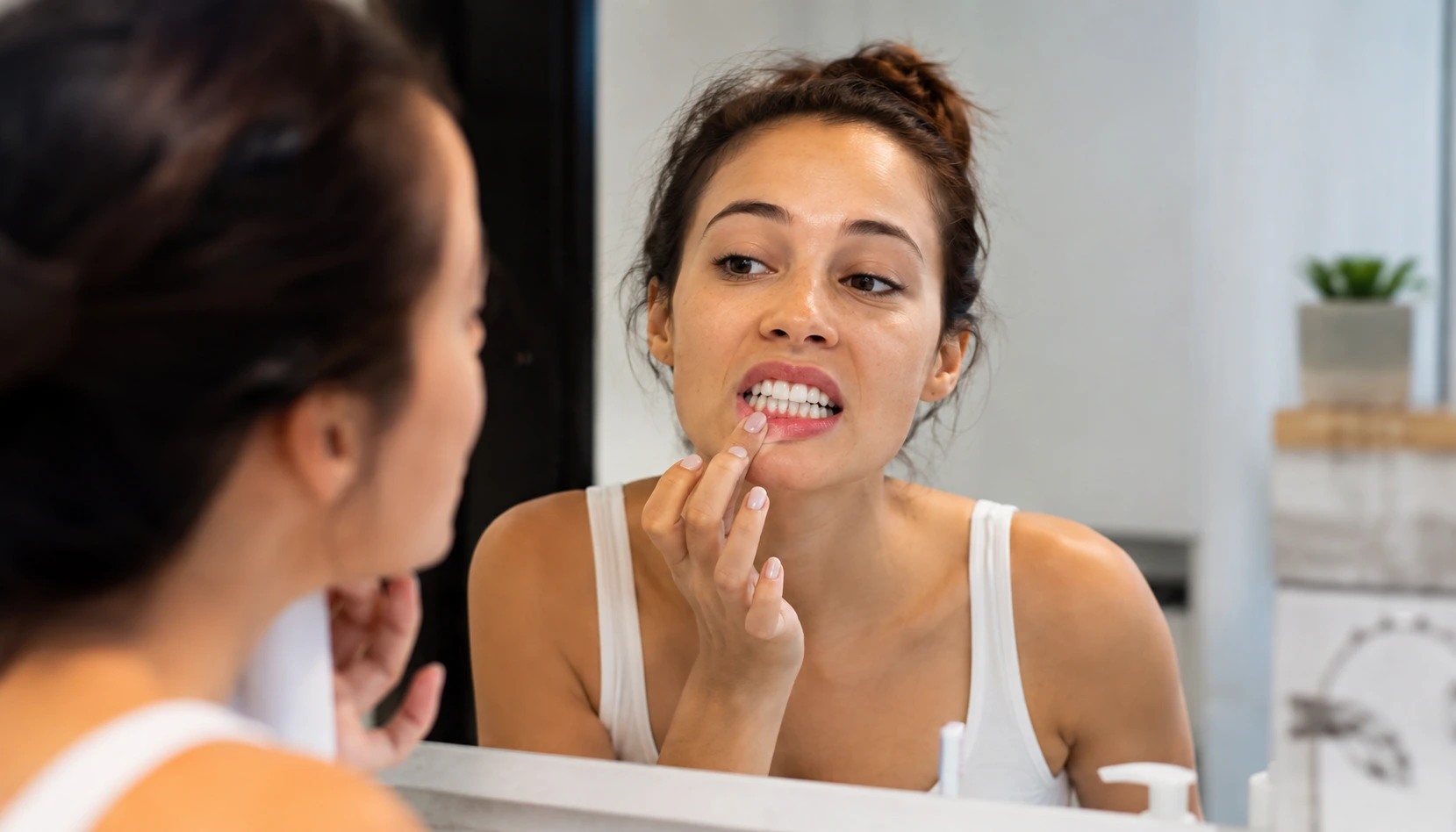
Your teeth are yellowing faster than you expected, whitening strips promise results in days, and you have no idea which products won’t wreck your enamel or leave you with sensitivity that makes eating ice cream painful, so let’s talk teeth whitening safety and actually get you answers.
Understanding teeth whitening products
Walking into a drugstore or scrolling through online retailers, you’ll find an overwhelming selection of whitening products, each claiming to deliver Hollywood-level results. The reality is more nuanced. Whitening toothpastes work through mild abrasives and chemical agents that remove surface stains, but they’re gentler than professional treatments. Over-the-counter strips use peroxide-based gels that penetrate the tooth surface, offering moderate results over one to two weeks. DIY trays and kits vary wildly in quality and concentration. The key difference comes down to peroxide concentration and application method. Professional-grade treatments use 15 to 35 percent peroxide, while store-bought options typically contain 3 to 10 percent. Understanding this spectrum helps you match your expectations to reality. A young adult considering their first whitening experience should know that charcoal-based products, despite their popularity, are often too abrasive and can scratch enamel over time. Reading ingredient labels and researching brand reputation takes five minutes but prevents months of regret.
- Always check the ingredients list for abrasive substances like charcoal that can damage enamel.
- Consult with your dentist before trying any products to ensure they are safe for your teeth.
- Avoid overusing whitening products as they can cause tooth sensitivity and gum irritation.
Healthy whitening habits
Before you even think about whitening, your foundation matters. Imagine starting a whitening routine while your teeth are already compromised by poor brushing technique or neglected flossing. You’re setting yourself up for sensitivity and disappointment. Healthy whitening begins with consistent daily habits. Brush twice daily with a soft-bristled toothbrush, floss once daily to remove plaque between teeth, and rinse with water after meals to prevent staining. These basics protect your enamel and create an ideal canvas for whitening. When you do start whitening, maintain these habits religiously. Many young adults skip flossing, then wonder why their whitening results look uneven or fade quickly. The reality is that plaque buildup prevents whitening agents from working evenly. Schedule dental check-ups every six months to catch issues early. A dentist can also assess whether your enamel is thick enough to handle whitening safely. Some people naturally have thinner enamel, which means they need gentler approaches. Think of healthy habits as the scaffolding that supports effective whitening, not as an afterthought.
📘 Fix your day in under 2 minuteschoose where to begin:
Natural whitening remedies
If you’re hesitant about chemicals or prefer a slower, gentler approach, natural remedies exist, though expectations matter. Baking soda mixed with water creates a mild abrasive paste that removes surface stains without the harshness of commercial charcoal products. Use it once or twice weekly, not daily, to avoid enamel erosion. Hydrogen peroxide, a common ingredient in professional treatments, can be diluted and used as a rinse or mixed with baking soda for a paste. Dilute it to 1 to 3 percent concentration to minimize sensitivity. Oil pulling, an ancient practice using coconut oil, has minimal scientific backing but poses no risk if you’re curious. Swish a tablespoon of coconut oil for 10 to 20 minutes daily. Results take weeks or months with natural methods, so patience is essential. A young adult trying baking soda for the first time might see subtle results within two weeks of consistent use. The advantage is low cost and low risk. The disadvantage is that results plateau faster than professional treatments. Natural remedies work best for mild staining and maintenance rather than dramatic shade changes. If you’ve been drinking coffee daily for years, natural methods alone won’t deliver the transformation you’re hoping for.
Avoiding harmful practices
The internet is full of whitening hacks that sound clever but can cause real damage. Lemon juice, despite its acidity, erodes enamel and leaves your teeth more vulnerable to staining. Activated charcoal, heavily marketed on social media, is abrasive enough to scratch enamel with repeated use. Whitening strips overused beyond recommended frequency can cause severe sensitivity and gum recession. DIY treatments using unregulated products from sketchy online sellers might contain unsafe peroxide concentrations or harmful additives. A common mistake young adults make is treating whitening like a race. They use strips daily instead of every other day, apply whitening trays for hours instead of the recommended 30 minutes, or combine multiple whitening methods simultaneously. This aggressive approach leads to enamel erosion, chemical burns on gums, and tooth sensitivity that lingers for months. Another pitfall is ignoring early warning signs. If your teeth feel sensitive after one whitening session, continuing without adjustment guarantees worse problems. Your mouth is sending you a signal to slow down. Unregulated treatments purchased online or from unlicensed providers carry unknown risks. Stick to products with clear ingredient lists, established brands, and dentist approval. The temporary satisfaction of faster results isn’t worth permanent damage.
Professional whitening options
If you want guaranteed safety and noticeable results, professional whitening supervised by a dentist is the gold standard. In-office laser whitening takes 30 to 60 minutes and uses concentrated peroxide under controlled conditions. Your dentist applies a protective barrier to your gums, ensuring the whitening agent only touches your teeth. Results are dramatic, often lightening teeth by multiple shades in one session. Custom-fitted trays made by your dentist fit perfectly, minimizing gum exposure and maximizing contact with tooth surfaces. You use them at home with dentist-provided gel, typically for two weeks. This hybrid approach combines professional guidance with home convenience. Dentist-supervised whitening costs more than over-the-counter options, typically ranging from 300 to 1000 dollars depending on the method, but the investment buys you safety, effectiveness, and peace of mind. Your dentist can also identify whether you have underlying issues like cavities or enamel erosion that need treatment before whitening. They can recommend the best option based on your tooth shade, sensitivity history, and goals. A young adult with naturally sensitive teeth might benefit from a gentler professional approach rather than aggressive at-home treatments. The consultation alone is worth the visit because a professional can answer specific questions about your teeth that generic advice cannot.
Understanding teeth whitening products, maintaining healthy habits, exploring natural remedies, avoiding harmful practices, and considering professional treatments are key steps to safely achieve a brighter smile.
Are DIY teeth whitening kits safe for young adults?
While some DIY kits can be safe when used correctly, it’s essential to consult with a dentist before trying any at-home whitening treatments. Dentists can provide personalized advice on the best products and methods for safe and effective whitening.
How often should I whiten my teeth to ensure safety?
To maintain safe teeth whitening, follow the recommended usage instructions on whitening products. Overuse can lead to enamel damage and discomfort. If in doubt, consult your dentist for guidance on the frequency of whitening based on your oral health.
Others also read:
Disclaimer: This article is for informational purposes only and is not a substitute for professional medical advice. Always consult a healthcare professional for personal guidance.
This guide has been prepared and reviewed by the GlobalHealthBeacon editorial team and reflects current medical research as of 2026. It provides structured, evidence-based information to support informed health decisions.
