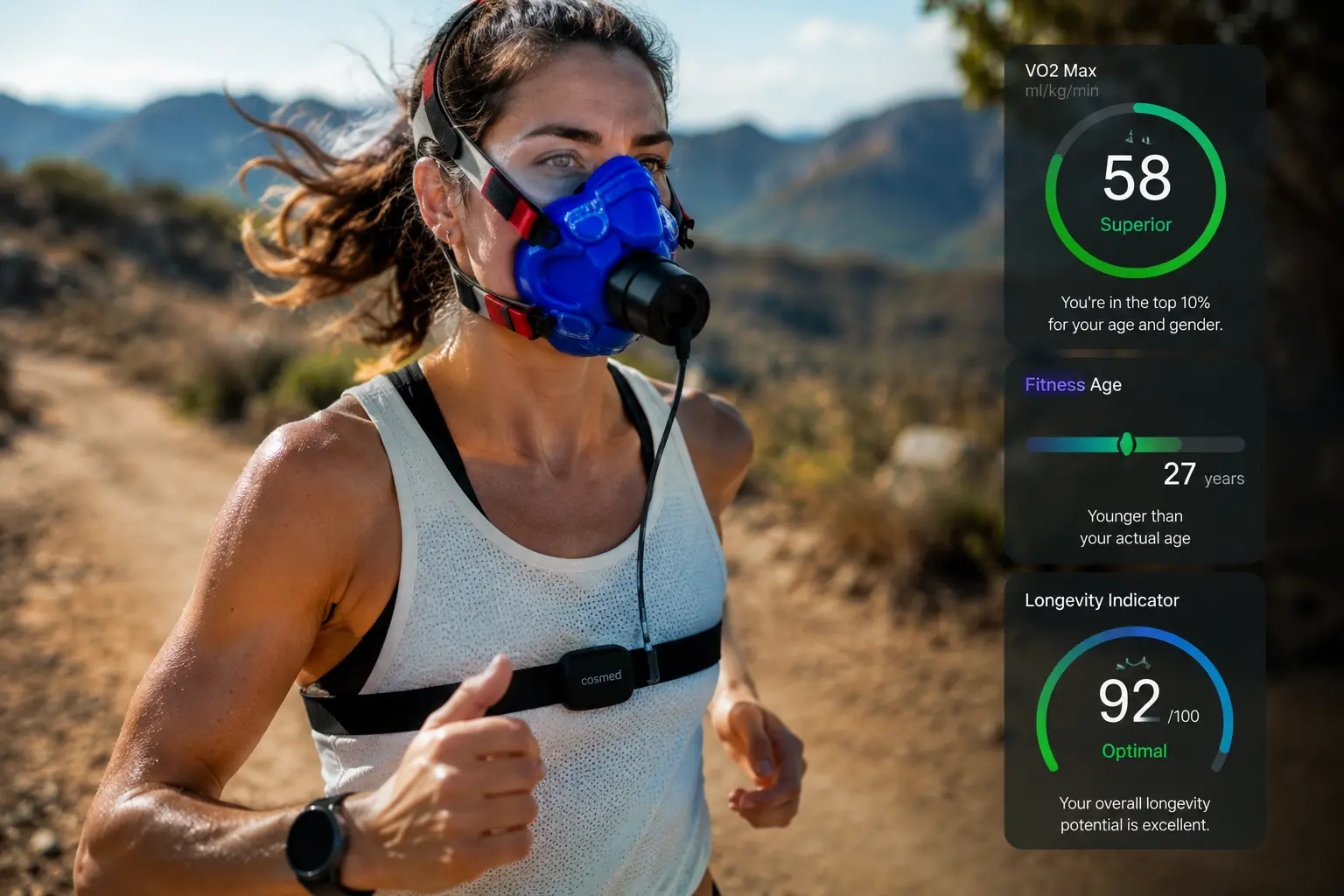
You climb a single flight of stairs and find yourself catching your breath like you just ran a marathon, and that sinking feeling hits you: your body isn’t what it used to be, which is exactly why understanding your vo2 max longevity marker matters more now than ever.
Understanding VO2 max and its significance
VO2 max, or maximal oxygen uptake, measures how efficiently your body pulls oxygen from the air and delivers it to your muscles during physical activity. Think of it as your cardiovascular system’s report card. When you’re younger, your heart pumps oxygen-rich blood effortlessly, but as we age, this process naturally becomes less efficient. A higher VO2 max indicates your heart and lungs are working well together, which translates to better endurance for everyday activities like gardening, playing with grandchildren, or taking weekend hikes. By evaluating this marker, you’re essentially getting a snapshot of how well your body can handle physical demands. It’s not just a number on a test; it’s a reflection of your body’s ability to keep you active and independent.
- VO2 max reflects heart and lung function
- Higher VO2 max can delay the onset of chronic diseases
- Regular exercise can improve VO2 max levels
Benefits of monitoring VO2 max
Imagine knowing exactly where you stand with your fitness level, not just guessing based on how you feel. Monitoring your VO2 max gives you that clarity. It becomes your personal benchmark, showing you progress in ways a bathroom scale never could. When you start a new walking program or join a water aerobics class, tracking this marker helps you see real improvements over weeks and months, which is incredibly motivating. You can set realistic goals tailored to your actual fitness level rather than comparing yourself to someone else’s journey. For seniors, this means customizing exercise routines that genuinely work for your body, not following generic fitness advice that might not fit your needs. You’ll also spot early warning signs if your fitness is declining, giving you a chance to adjust your lifestyle before problems develop.
💬 Ready to feel better in 2 minutes?choose where to begin:
Challenges in improving VO2 max
Let’s be honest: improving VO2 max gets tougher as we age, and that’s just biology. Your muscles naturally lose mass, your lungs become less elastic, and your heart doesn’t pump quite as powerfully as it did decades ago. These changes mean you can’t simply do what worked at 35 and expect the same results at 70. Many seniors feel discouraged when progress comes slower than expected, or when they hit a plateau after initial improvements. The frustration is real, especially if you remember being more athletic. But here’s what matters: decline isn’t inevitable decline. With consistent, properly-guided exercise and patience, you absolutely can make meaningful improvements. The key is understanding that your body needs different strategies now, not that it’s broken.
Lifestyle changes for enhancing VO2 max
Building VO2 max doesn’t require running marathons or intense gym sessions. Walking briskly for 30 minutes most days, cycling at a comfortable pace, or swimming laps all count as aerobic exercise that gradually improves oxygen uptake. Start where you are, not where you think you should be. A senior who walks 15 minutes today can build to 30 minutes next month, and that progression matters. Pair your exercise routine with practical nutrition choices: lean proteins support muscle maintenance, whole grains provide sustained energy, and staying genuinely hydrated helps your cardiovascular system function optimally. Small, consistent changes compound over time. One woman we know started with 10-minute morning walks and added swimming twice weekly; within four months, she noticed climbing stairs felt easier. That’s the kind of real-world improvement that transforms daily life.
Monitoring your VO2 max as a longevity marker is crucial for seniors to improve their overall well-being. Understanding the significance of this marker, setting fitness goals, and making lifestyle changes can help seniors enhance their cardiovascular health and endurance levels.
Can VO2 max decline with age?
Yes, VO2 max typically decreases with age due to factors like muscle mass loss and decreased lung capacity. However, regular exercise and a healthy lifestyle can slow down this decline.
How often should seniors monitor their VO2 max?
Seniors should consider monitoring their VO2 max periodically, especially if they are engaging in a new fitness routine or experiencing changes in their overall health.
Others also read:
Disclaimer: This article is for informational purposes only and is not a substitute for professional medical advice. Always consult a healthcare professional for personal guidance.
This article presents an experience-based perspective and has been reviewed by the GlobalHealthBeacon editorial team in 2026. It provides structured, evidence-based information to support informed health decisions.
