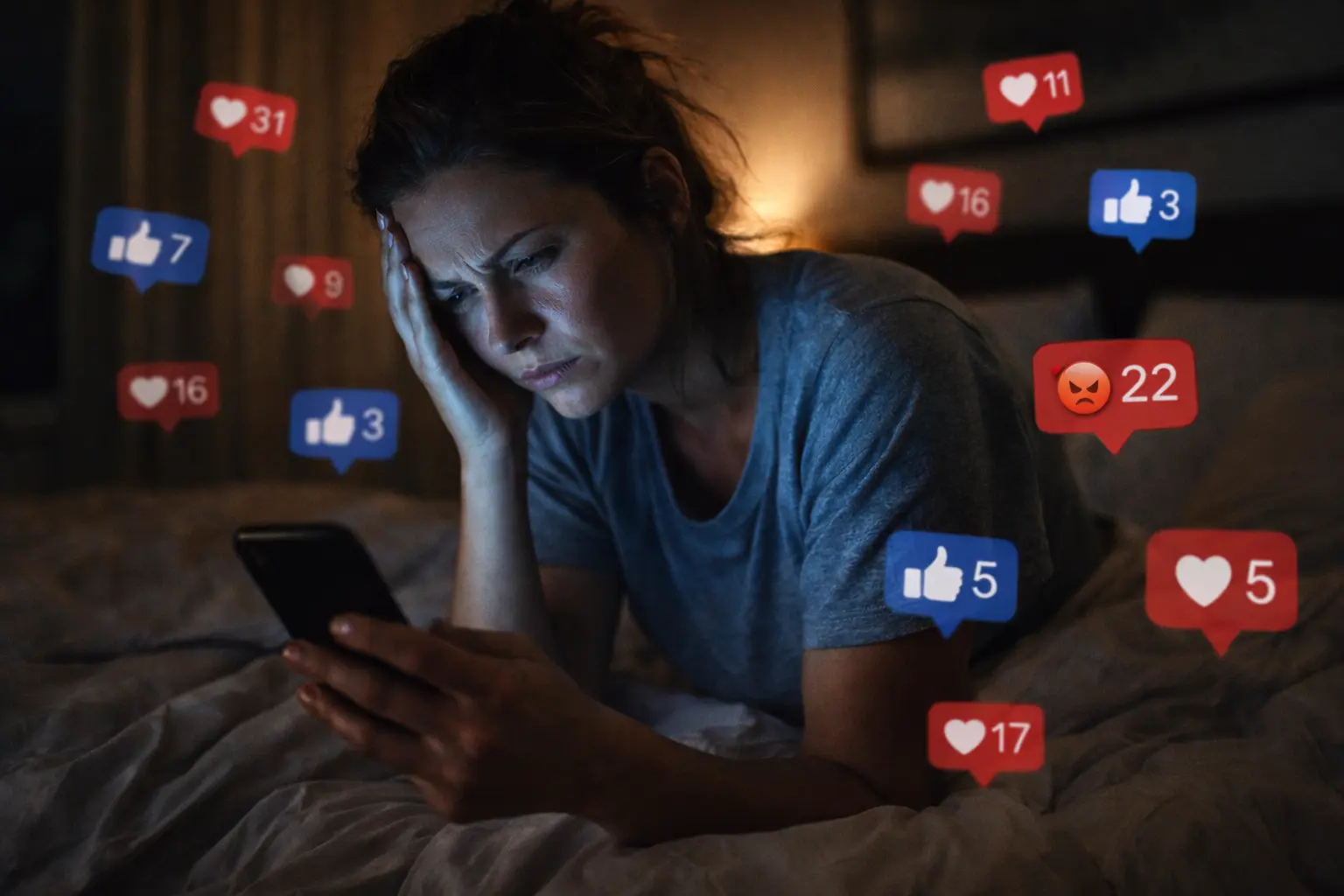
You scroll through Facebook for what feels like five minutes and suddenly two hours have vanished, leaving you feeling oddly anxious and disconnected from the real people sitting right next to you, which is exactly why social media harms health in ways that sneak up on you when you’re not paying attention.
Unveiling the risks of social media on health
Picture this: Margaret, a 68-year-old grandmother, opens Instagram during her morning coffee and spends the next hour watching carefully curated vacation photos from people she barely knows. By the time she closes the app, she feels a knot of anxiety in her chest and a nagging sense that her own life somehow doesn’t measure up. This scenario plays out millions of times daily. Research consistently shows that constant exposure to social media platforms can amplify feelings of anxiety, stress, and depression among older adults. The unrealistic portrayals of lifestyles, achievements, and body images create a distorted mirror that seniors compare themselves against. Studies from major universities have documented how these platforms amplify negative self-perception, particularly when older adults encounter content showing peers traveling extensively, maintaining perfect appearances, or achieving milestone moments. The algorithm-driven nature of these platforms means that emotionally triggering content often gets prioritized, creating a feedback loop that intensifies worry and self-doubt rather than fostering genuine connection.
Understanding the biological effects of social media
Your brain doesn’t distinguish between a genuine compliment from a friend and a like from a stranger on social media, yet it responds to both with a hit of dopamine. This reward chemical reinforces the behavior, making you crave more likes, shares, and comments. For seniors, who may have experienced significant life changes like retirement or loss of loved ones, this validation-seeking becomes particularly compelling. The brain’s reward system gets hijacked by these digital interactions, creating patterns that neurologists describe as behaviorally addictive. When a senior receives a comment on a post, the brain releases dopamine, creating a pleasurable sensation that encourages repeat behavior. Over time, this constant pursuit of online validation can paradoxically decrease real-world social interactions. Instead of calling a friend for lunch, someone might spend that time refreshing their social media feed, hoping for engagement. This substitution of authentic human connection with digital interaction contributes to genuine feelings of loneliness and isolation, even when someone has hundreds of online friends. The irony is that the platform designed to connect us often leaves us feeling more alone.
Mitigating the harmful effects of social media
Taking control doesn’t mean abandoning social media entirely, but rather establishing intentional boundaries that protect your mental and physical wellbeing. Start by examining your current habits honestly. How much time do you actually spend scrolling? What time of day leaves you feeling worst? Once you identify patterns, you can create a realistic plan. Some seniors find success by designating specific times for social media use, such as 15 minutes after lunch, rather than checking throughout the day. Others use phone settings to set automatic app limits that remind them when they’ve reached their daily threshold. Beyond screen management, prioritize face-to-face connections that feed your soul. Join a book club, attend community events, take a class, or schedule regular video calls with family members where you can see faces and hear voices. If you notice persistent anxiety, sadness, or sleep problems despite these changes, reaching out to a counselor or therapist isn’t a sign of weakness but a smart investment in your health. Many therapists now specialize in technology-related stress and can provide practical strategies tailored to your specific situation.
- Limit screen time by setting specific times for social media use and using phone app timers to create natural boundaries.
- Engage in real-life social activities such as joining clubs, attending community events, or scheduling regular in-person visits with friends and family.
- Seek professional help from a therapist or counselor if feelings of anxiety, depression, or sleep disturbances persist despite lifestyle changes.
🔬 Science-backed benefits in 2 minuteschoose where to begin:
Analyzing the impact of social comparison on health
Social comparison on these platforms operates like a psychological minefield for older adults. When Robert, a 72-year-old retired accountant, sees his former colleague’s posts about world travel and grandchildren’s achievements, he unconsciously measures his own life against this highlight reel. The result is a creeping sense of inadequacy that wasn’t there before he opened the app. Research in social psychology demonstrates that this comparison mechanism is particularly potent on visual platforms like Instagram and Facebook. Seniors often face an additional vulnerability: generational gaps in understanding how social media works. Many older adults don’t realize that what they’re seeing represents carefully selected moments, not reality. They may not understand filters, editing, or the fact that people rarely post about their struggles, health problems, or everyday mundane moments. This knowledge gap means seniors are more likely to accept the curated content at face value. The cumulative effect of regular social comparison can erode self-esteem, increase feelings of worthlessness, and contribute to depression. Understanding that everyone’s social media presence is a performance, not a documentary, is the first step toward protecting yourself from these psychological traps.
The connection between social media and sleep disturbances
Sleep problems are rampant among seniors, and social media use before bedtime is a significant contributor that often goes unrecognized. When you scroll through your phone in bed, the blue light emitted by the screen interferes with your body’s production of melatonin, the hormone that signals your brain that it’s time to sleep. This disruption happens at a biological level, independent of the content you’re viewing. But there’s more to the story. The emotional stimulation from social media also keeps your nervous system activated. Reading about current events, seeing posts that trigger worry or envy, or engaging in online discussions elevates cortisol and adrenaline levels. Your body interprets this stimulation as a signal to stay alert, making it harder to transition into the relaxed state necessary for quality sleep. Many seniors report lying in bed for hours, mentally replaying a comment someone made or worrying about something they read. Over weeks and months, this pattern contributes to chronic sleep deprivation, which then worsens mood, cognitive function, and physical health. Establishing a technology curfew at least one hour before bedtime allows your brain and body to naturally wind down, improving sleep quality significantly.
Reclaiming control over social media habits
The path forward begins with awareness and honest self-reflection about your relationship with social media. You’re not powerless in this dynamic, even though these platforms are designed by teams of engineers specifically to keep you engaged. By understanding the biological mechanisms at work, you can make conscious choices rather than defaulting to habitual scrolling. Start small. Maybe you delete the app from your phone and access social media only through a web browser, which creates friction and reduces mindless checking. Perhaps you unfollow accounts that consistently make you feel inadequate and follow content creators who inspire or educate you. You might join a community group focused on a hobby or interest, redirecting the time and energy you previously spent online toward real-world connection. The goal isn’t perfection but progress. Some days you’ll slip back into old patterns, and that’s normal. What matters is that you’re actively choosing how social media fits into your life rather than letting it dictate your mental state and wellbeing. Many seniors report feeling liberated and more present once they establish these boundaries, rediscovering joy in unmediated human connection.
Social media can significantly impact the mental and physical health of seniors through multiple pathways, including increased anxiety and depression, disrupted sleep patterns, and psychological effects of social comparison. Understanding how these platforms trigger reward systems in the brain and recognizing the gap between curated online content and reality are essential steps toward protecting your wellbeing. By setting intentional boundaries on screen time, prioritizing face-to-face connections, and seeking professional support when needed, seniors can reclaim agency over their health and foster more authentic, meaningful relationships in their lives.
Can using social media harm my mental health?
Yes, excessive social media use can contribute to increased anxiety, stress, and depression, particularly when it involves social comparison or replaces in-person interactions. However, moderate and intentional use with clear boundaries can minimize these risks.
How can seniors protect their health from the harms of social media?
Seniors can protect their health by setting specific time limits for social media use, prioritizing real-life social activities and face-to-face connections, avoiding screens at least one hour before bedtime, and seeking professional support if anxiety or depression persists.
Others also read:
Disclaimer: This article is for informational purposes only and is not a substitute for professional medical advice. Always consult a healthcare professional for personal guidance.
This article has been prepared and reviewed by the GlobalHealthBeacon editorial team and is based on current medical research and published scientific literature available in 2026. It provides structured, evidence-based information to support informed health decisions.
