Part of: Skin & Body
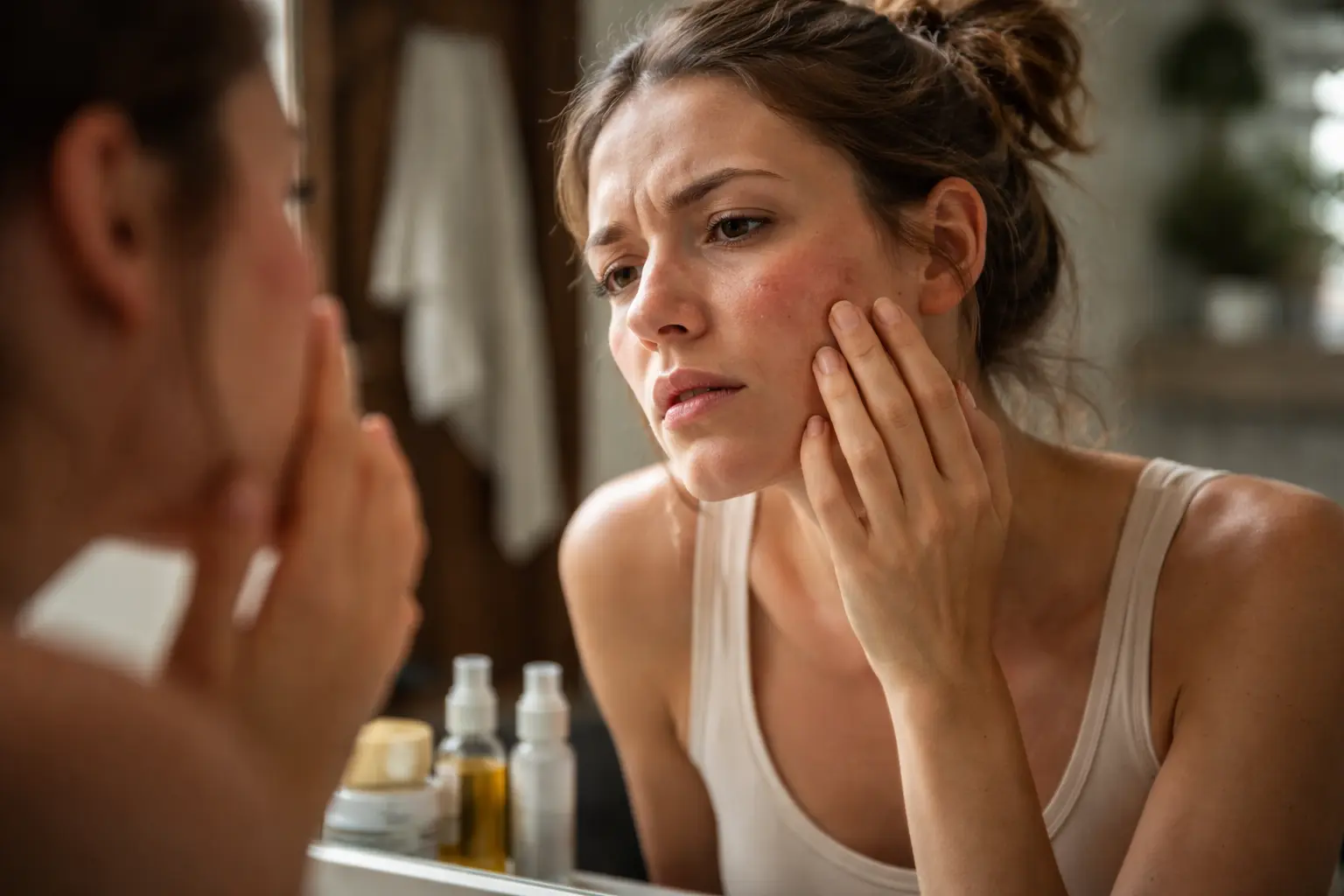
Retinol is a widely used ingredient in skincare products known for its anti-aging and acne-fighting benefits, but its introduction to a skincare routine commonly triggers a range of side effects that concern users. Understanding these reactions—whether they represent normal adjustment or cause for concern—is essential for anyone considering or currently using retinol-based treatments. Common side effects include dryness, redness, peeling, burning sensations, and temporary breakouts, particularly during the initial weeks of use. These effects vary significantly depending on individual skin type, age, sensitivity level, and application frequency, making personalized information critical for safe and effective use.
The experience of retinol side effects differs notably across age groups and skin conditions. Young adults may encounter different irritation patterns and recovery timelines than women in their middle years or seniors with more mature skin. Research into the science behind these reactions reveals that many initial side effects—such as purging or mild inflammation—represent the skin’s natural adjustment phase rather than harmful damage. However, more intense reactions like severe burning, dermatitis, or persistent irritation may indicate overuse or unsuitable formulations and warrant modification of application protocols or professional consultation.
This overview serves as a comprehensive entry point to evidence-based information about retinol side effects across demographic groups and skin conditions. The collection of linked articles explores the mechanisms behind common reactions, provides timelines for what to expect, offers practical management strategies to minimize discomfort, and clarifies which effects are typically temporary versus those requiring intervention. Whether seeking reassurance about current skin changes, guidance on preventing adverse reactions, or strategies for managing ongoing side effects, users will find detailed, research-backed content addressing their specific concerns and skin profile.
This NHS page explains how topical retinoids are used and confirms common side effects such as mild irritation, stinging, redness, and peeling, especially when starting treatment. → Click here