Your bloating won’t quit, your energy crashes by 3pm, and you have a sneaking feeling your gut is screaming for help – but nobody talks about this stuff, so you’re left wondering if prebiotics foods list is actually the answer or just another wellness trend designed to empty your wallet.
What are prebiotic foods?
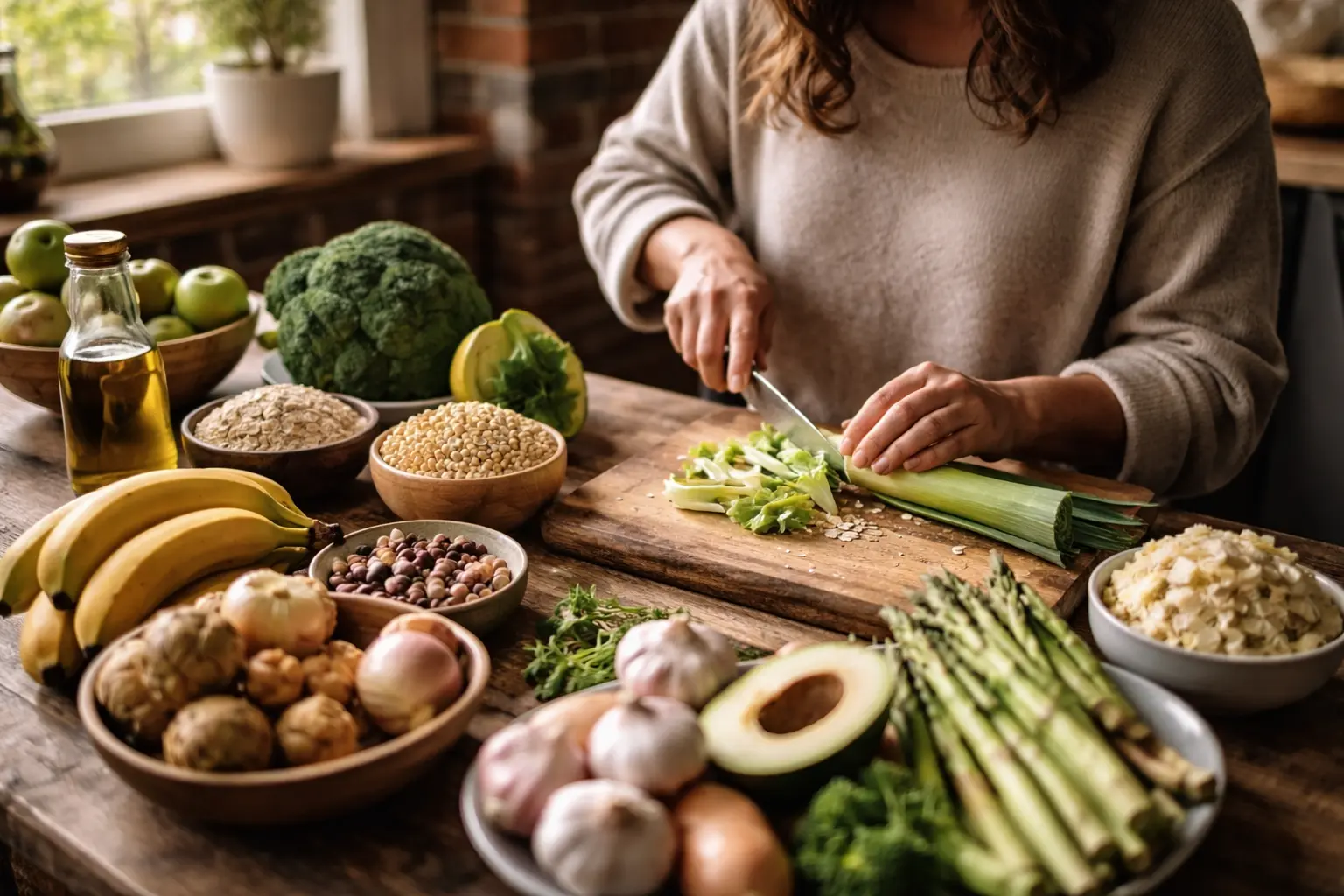
Prebiotic foods are essentially fuel for the beneficial bacteria already living in your digestive system. Unlike probiotics, which introduce new bacteria, prebiotics are specific types of fiber that your good gut bacteria actually eat and thrive on. Think of it this way: your gut bacteria are like a garden, and prebiotics are the fertilizer that helps those plants grow stronger. Common prebiotic foods include bananas (especially slightly green ones), onions, garlic, asparagus, chicory root, dandelion greens, and flaxseeds. When you consume these foods regularly, you’re creating an environment where your beneficial bacteria multiply and become more dominant in your microbiome. This shift happens gradually, typically over weeks rather than days. For women specifically, this matters because hormonal fluctuations can affect gut bacteria composition, making consistent prebiotic intake particularly valuable for maintaining digestive stability throughout your cycle.
- Increase beneficial bacteria in the gut
- Aid in digestion and nutrient absorption
- Support immune function
Benefits of prebiotic foods
Adding prebiotic foods to your diet creates a cascade of positive changes that extend far beyond just better digestion. When your gut bacteria are well-fed and thriving, they produce short-chain fatty acids that reduce inflammation throughout your entire body. Many women report clearer skin, improved mood, and more stable energy levels after consistently eating prebiotic-rich foods for four to six weeks. Your digestive system becomes more efficient at extracting nutrients from everything you eat, which means your body actually absorbs more iron, calcium, and B vitamins. Beyond digestion, a healthy prebiotic-fed microbiome supports your immune system because roughly 70 percent of your immune cells live in your gut. You may also notice reduced bloating, fewer cravings for sugar, and better weight management because a healthy microbiome helps regulate appetite hormones. Some women find their monthly cycle-related digestive issues improve significantly once their gut bacteria are properly nourished.
📘 Fix your day in under 2 minuteschoose where to begin:
How to incorporate prebiotic foods into your diet
Start by identifying which prebiotic foods you already enjoy or can tolerate well. If you like garlic and onions, begin adding them to your regular meals: sauteed onions in omelets, roasted garlic in pasta, or caramelized onions in soups. For those who prefer milder flavors, bananas are an easy entry point – add them to smoothies, oatmeal, or eat them as a snack. Asparagus can be roasted with olive oil and lemon, while chicory root can be brewed as a coffee substitute or added to salads. A practical strategy is to aim for two to three servings of prebiotic foods daily rather than trying to overload your system at once. Consider meal planning around these foods: Monday might feature a garlic-heavy stir-fry, Wednesday a salad with dandelion greens, and Friday asparagus as a side dish. Keep flaxseeds on hand to sprinkle into yogurt, smoothies, or baked goods. The key is consistency and variety – rotating between different prebiotic sources ensures you’re feeding diverse strains of beneficial bacteria.
Precautions and considerations
When you first increase prebiotic intake, your gut bacteria become more active and produce more gas as a byproduct of their increased metabolism. This can result in temporary bloating, gas, or mild cramping – a phenomenon sometimes called the prebiotic adjustment period. This is actually a sign that your bacteria are waking up and working, but it can be uncomfortable if you jump in too aggressively. The solution is gradual introduction: start with one serving of prebiotic foods daily for a week, then increase to two servings the following week. Pay attention to which specific foods trigger the most discomfort for you, as individual sensitivities vary widely. Some women find that cooked prebiotic foods cause less bloating than raw ones initially. If you have IBS, FODMAP sensitivity, or other digestive conditions, certain prebiotic foods like garlic and onions may need to be introduced even more slowly or in smaller quantities. Stay hydrated throughout this adjustment period, as fiber works best when paired with adequate water intake.
Seek professional advice
Before making significant dietary changes, especially if you have existing health conditions, digestive disorders, or take medications that affect nutrient absorption, consult with a healthcare provider or registered dietitian. This is particularly important if you have a history of IBS, inflammatory bowel disease, or FODMAP sensitivity, as some prebiotic foods may trigger symptoms. A professional can help you identify which prebiotic foods align with your specific health profile and recommend an appropriate introduction timeline. If you are pregnant or breastfeeding, a nutritionist can ensure your prebiotic intake supports both your health and your baby’s development. Women taking certain medications or managing conditions like diabetes should discuss how prebiotic foods might interact with their treatment plan. A healthcare provider can also help you distinguish between normal adjustment symptoms and signs that a particular food isn’t working for your body.
Prebiotic foods are a valuable addition to your diet, promoting gut health and overall well-being. With benefits like improved digestion and immune support, these foods offer a delicious way to nourish your body and mind.
Can everyone benefit from prebiotic foods?
Yes, incorporating prebiotic foods can benefit most individuals by promoting a healthy gut microbiome and supporting overall health. However, some people may need to monitor their intake due to individual sensitivities.
Are there any downsides to consuming prebiotic foods?
While prebiotic foods are generally safe for most people, some individuals may experience temporary digestive discomfort when first introducing these foods. It’s crucial to listen to your body and make adjustments as needed.
Others also read:
Disclaimer: This article is for informational purposes only and is not a substitute for professional medical advice. Always consult a healthcare professional for personal guidance.
This guide has been prepared and reviewed by the GlobalHealthBeacon editorial team and reflects current medical research as of 2026. It provides structured, evidence-based information to support informed health decisions.
