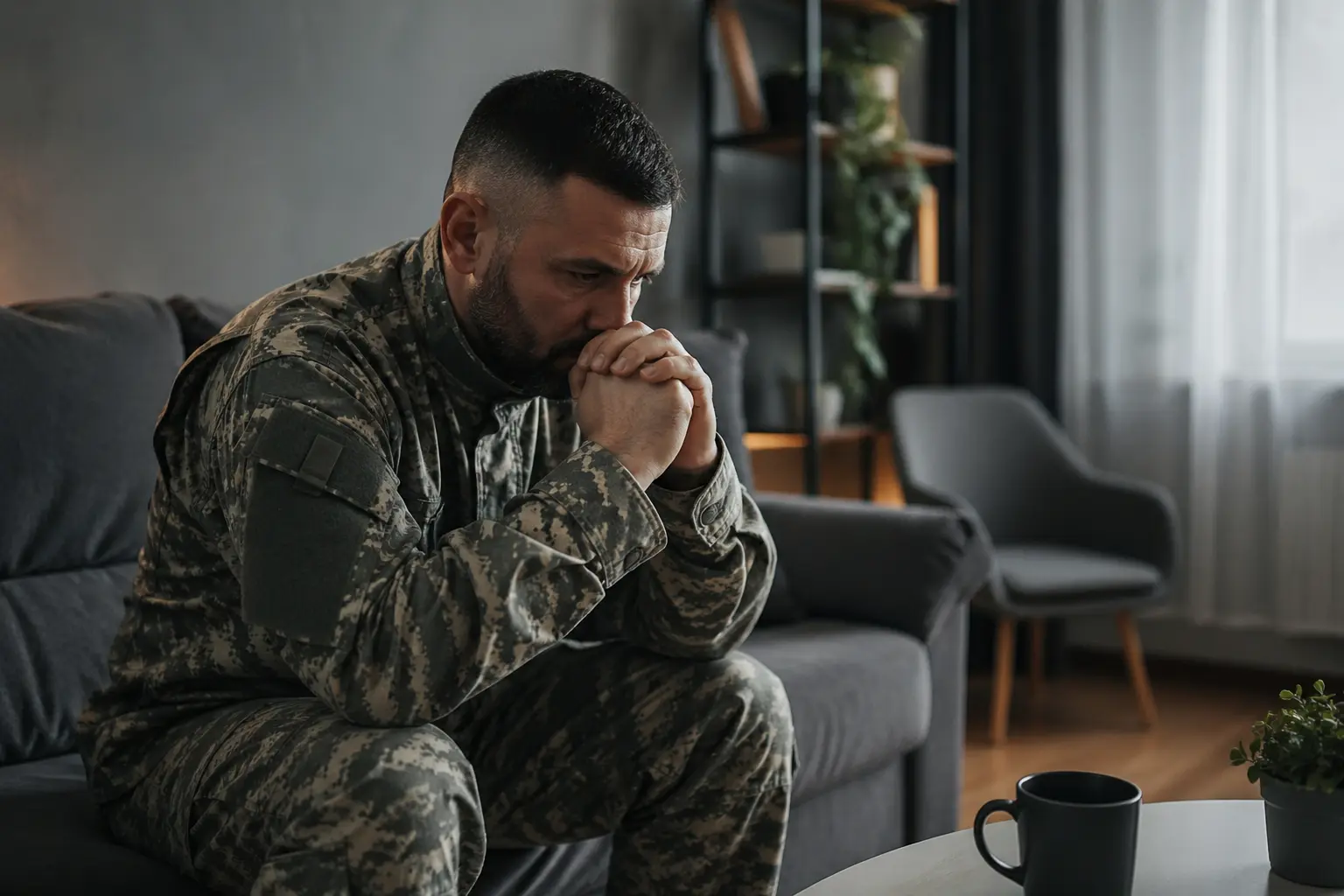
You wake up in a cold sweat at 3 AM, your heart pounding like it’s trying to escape your chest, and you realize you’re back in that moment all over again—the psychological effects war trauma leaves behind are relentless, but recovery is possible and you don’t have to navigate it alone.
Understanding the psychological effects of war trauma
War trauma rewires how your brain processes safety and threat. When you’ve experienced combat or conflict zones, your nervous system stays locked in survival mode, treating ordinary situations as dangerous. PTSD, anxiety, and depression aren’t character flaws—they’re your brain’s protective response gone into overdrive. Consider a young adult named Marcus, who served overseas and now flinches at loud noises in grocery stores. His body learned that sudden sounds meant danger, and that learning doesn’t disappear overnight. The psychological effects manifest differently for everyone: some experience intrusive flashbacks that feel completely real, while others struggle with a persistent sense of dread they can’t explain. Hypervigilance becomes exhausting—constantly scanning for threats, difficulty relaxing, trouble sleeping. Many young adults also report emotional numbness alongside intense anger, guilt about decisions made during service, or shame about struggling now. Understanding these aren’t personal failures but neurobiological responses is the first step toward healing.
- Flashbacks and nightmares are common symptoms of war trauma.
- Feelings of guilt, anger, and hypervigilance may also arise.
- Social withdrawal and difficulty with trust are prevalent among individuals with war trauma.
Seeking professional help for war trauma recovery
Professional support isn’t weakness—it’s the most direct path forward. Trauma-focused therapies like Cognitive Processing Therapy (CPT) and Prolonged Exposure (PE) have strong evidence behind them for treating war-related PTSD. These approaches help your brain process the traumatic memory so it stops controlling your present. A therapist trained in trauma won’t ask you to ‘just get over it’ or minimize what you experienced. Instead, they create a safe space to gradually process what happened at your own pace. Many young adults find that starting with a mental health professional who specializes in military or combat trauma makes a difference—they speak your language and understand the specific challenges you face. Some prefer individual therapy, while others benefit from group settings where they connect with peers who truly understand. Medication can also play a role when prescribed by a psychiatrist, helping regulate sleep, anxiety, or depression while you do the deeper work in therapy. The key is finding the right fit—don’t settle for a provider who doesn’t feel right.
📘 Fix your day in under 2 minuteschoose where to begin:
Exploring self-care techniques for war trauma recovery
Self-care isn’t bubble baths and candles—it’s the daily practices that stabilize your nervous system and build resilience. Mindfulness and grounding techniques give you tools to use when flashbacks hit or anxiety spikes. The 5-4-3-2-1 technique, for example, anchors you to the present by naming five things you see, four you can touch, three you hear, two you smell, and one you taste. Exercise is powerful medicine: running, weightlifting, martial arts, or even walking releases endorphins and helps process stored trauma in your body. Creative outlets like writing, art, or music provide non-verbal ways to express what’s hard to say. Building a genuine support network matters enormously—friends and family who listen without judgment, who show up consistently, who don’t treat you like you’re broken. Some young adults find peer support groups invaluable, connecting with others who’ve walked similar paths. Sleep hygiene, limiting alcohol, eating regularly, and spending time in nature all contribute to recovery. These aren’t quick fixes, but consistent practice rewires your brain toward healing.
Understanding the recovery process
Recovery isn’t linear, and that’s completely normal. You might have a week where everything feels manageable, then a trigger sends you backward. Progress isn’t measured in straight lines—it’s measured in small wins: sleeping through the night, having a conversation without shutting down, noticing a trigger but not being controlled by it. The timeline varies dramatically. Some young adults see significant improvement within months of starting therapy; others need years. Patience with yourself isn’t optional—it’s essential. Your brain experienced something extreme and needs time to reorganize. Expect setbacks around anniversaries, during high-stress periods, or when encountering unexpected reminders. These aren’t failures; they’re signals that you need extra support in that moment. Many people find it helpful to track progress in ways that matter to them: fewer nightmares per week, increased time spent with friends, ability to handle a previously triggering situation. Celebrating these victories, no matter how small they seem, reinforces that healing is happening. Working with a therapist helps you understand your specific recovery trajectory and adjust your approach as needed.
Fostering resilience and hope
Resilience isn’t something you’re born with—it’s built through practice and small acts of courage. Setting realistic goals gives your recovery direction: maybe it’s attending one social event per month, or reducing nightmares from five per week to three. Celebrating these victories reinforces that change is possible. Gratitude practice, even when it feels forced, gradually shifts your brain’s focus from threat-detection to noticing what’s working. Connecting with purpose beyond trauma—whether that’s mentoring younger veterans, pursuing education, building a career, or volunteering—gives your life meaning. Many young adults find that helping others who’ve experienced similar trauma becomes part of their healing. Hope isn’t about pretending trauma didn’t happen; it’s about believing that your life can expand beyond it. Reading stories of others who’ve recovered, finding role models, and recognizing your own strength through what you’ve already survived all contribute to this shift. Resilience grows each time you face a difficult moment and move through it. Each therapy session attended, each nightmare survived, each moment you choose connection over isolation builds your capacity to heal.
War trauma recovery for young adults involves understanding the psychological effects, seeking professional help, exploring self-care techniques, comprehending the recovery process, and fostering resilience and hope.
What are some common symptoms of war trauma in young adults?
Common symptoms of war trauma in young adults include flashbacks, nightmares, feelings of guilt and anger, social withdrawal, and difficulty with trust.
How long does war trauma recovery typically take for young adults?
War trauma recovery is a gradual process that varies for each individual. It may take months or years, and progress may involve setbacks, but persistence and support are key.
Others also read:
Disclaimer: This article is for informational purposes only and is not a substitute for professional medical advice. Always consult a healthcare professional for personal guidance.
This guide has been prepared and reviewed by the GlobalHealthBeacon editorial team and reflects current medical research as of 2026. It provides structured, evidence-based information to support informed health decisions.
