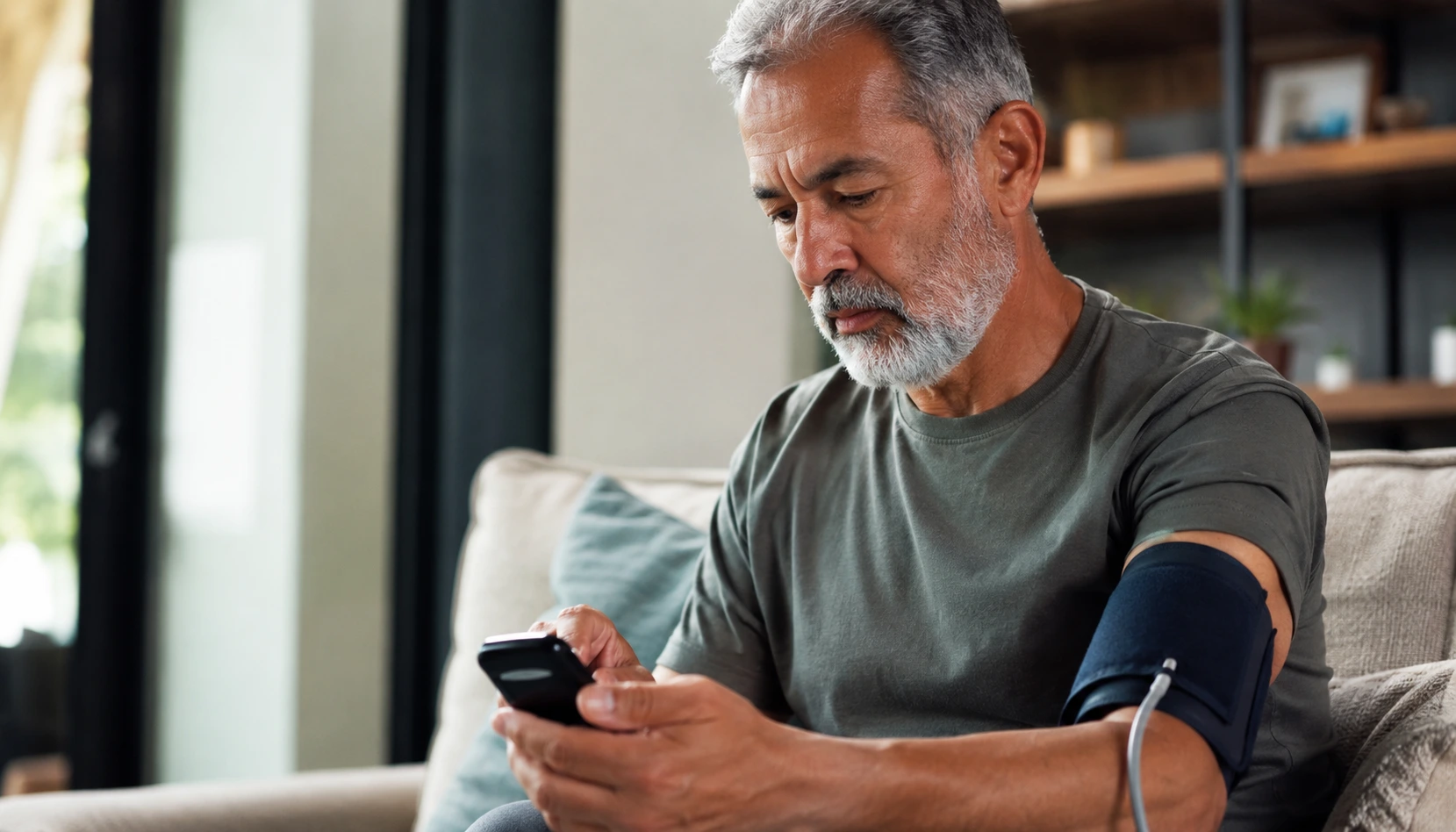
You’re juggling work, stress, and a nagging feeling that you should probably know more about your own health, but checking in with doctors feels like adding another task to an already packed schedule – remote patient monitoring devices are the bridge between staying informed and actually living your life.
Understanding remote patient monitoring devices
Remote patient monitoring devices are essentially your personal health command center, operating quietly in the background of your daily life. Think of them as the difference between guessing how you’re doing and actually knowing. These tools track everything from your heart rate and blood pressure to sleep patterns and medication adherence, feeding real data back to you and your healthcare provider. Imagine waking up and seeing that your resting heart rate has been consistently elevated over the past week, or that you’ve been forgetting your medication on certain days. That’s the kind of insight these devices provide. For young adults managing chronic conditions like diabetes or hypertension, or even those simply wanting to establish baseline health metrics, these devices eliminate the guesswork. They work by collecting data continuously or at scheduled intervals, then syncing that information to an app or web portal where you can review trends and patterns. The beauty is that you’re not just passively wearing something; you’re actively gathering intelligence about your own body.
- Monitor your vital signs in real-time and spot trends before they become problems
- Receive notifications for medication reminders so you never miss a dose
- Track your activity levels and set goals for improvement with concrete data backing your progress
Choosing the right device for you
Picking a remote patient monitoring device isn’t one-size-fits-all, and that’s actually good news because it means you can find something that genuinely fits your life. Start by identifying what you actually need to track. Are you managing a specific condition like atrial fibrillation, which requires consistent heart rhythm monitoring? Or are you more interested in general wellness metrics like steps and sleep? Once you know your priority, consider the practical side: does the device sync seamlessly with your phone, or does it require a separate hub? Can you charge it easily, or will you be hunting for a charger constantly? Look at battery life too – a device that needs daily charging might work for someone with a desk job but feel burdensome if you travel frequently. Check compatibility with your existing apps and health platforms. Some devices integrate beautifully with Apple Health or Google Fit, while others operate in isolation. Read reviews specifically from young adults in similar situations to yours. A device that’s perfect for a 65-year-old managing multiple conditions might feel clunky for a 28-year-old who wants something discreet and low-maintenance. Budget matters, but the cheapest option often means poor data accuracy or frustrating software. Aim for the middle ground where functionality and price align with your actual usage patterns.
📘 Fix your day in under 2 minuteschoose where to begin:
Setting up your monitoring routine
Having a device is one thing; using it consistently is another. The setup phase is where most people either build a sustainable habit or abandon the device within weeks. Start by choosing a specific time each day for your primary monitoring check-in, ideally when you’re already in a routine. If you shower every morning, that’s a natural time to sync your device and review overnight data. If you take medication at night, that’s your reminder to check your activity summary. Set phone notifications, but be strategic – too many alerts and you’ll mute them; too few and you’ll forget. Many young adults find success by linking device usage to an existing habit. For example, check your app while you’re having your morning coffee or right before bed. Create a simple log if you’re tracking something specific like blood pressure readings for a doctor’s visit. This doesn’t need to be complicated; a notes app entry works fine. The key is establishing a pattern so that monitoring becomes automatic rather than something you have to remember. If you’re sharing data with a healthcare provider, clarify how often they want updates and what format works best. Some providers prefer weekly summaries; others want real-time alerts only for concerning readings. This alignment prevents both over-communication and missed critical information.
Interpreting and acting on data insights
Data without understanding is just numbers. Learning to read what your device is telling you is crucial. Start with the basics: understand what normal looks like for you personally. Your resting heart rate might be 55 beats per minute, while someone else’s normal is 70. Trends matter more than single data points. One high blood pressure reading doesn’t mean crisis; five elevated readings over a week signals something worth investigating. Look for patterns around your activities, stress levels, and sleep. Did your heart rate spike on days you had major work deadlines? Did your sleep quality drop after you started a new workout routine? These connections help you understand your body’s response to life. Common mistakes include panicking over minor fluctuations or ignoring consistent patterns because you’re hoping they’ll resolve themselves. Don’t self-diagnose based on data alone. Instead, use your insights as conversation starters with your healthcare provider. Bring your data to appointments and ask what it means. Say something like, ‘I’ve noticed my readings are consistently higher on Mondays – could stress be a factor?’ This transforms raw data into actionable medical insight. Some devices offer AI-generated summaries or alerts, but remember these are tools to help, not replacements for professional medical judgment. Your provider has context and expertise that no algorithm possesses.
Empowering your health journey
Remote patient monitoring devices shift you from passive patient to active health manager. This shift is powerful, especially for young adults who often feel disconnected from their own healthcare. You’re no longer waiting for annual checkups to learn about your health; you’re watching it unfold in real time. Use your data to make informed lifestyle changes. If your device shows you’re averaging 4,000 steps daily and you want to improve cardiovascular health, you have a concrete baseline to build from. Set incremental goals like reaching 6,000 steps within a month, then 8,000 the next. Track whether those changes actually affect your other metrics. Did more movement improve your sleep quality? Did stress reduction lower your resting heart rate? These personal experiments are far more motivating than generic health advice. Share your journey with your healthcare team, but also with trusted friends or family who support your goals. Some people find accountability partners invaluable. Most importantly, remember that remote monitoring is a tool for empowerment, not anxiety. If checking your data makes you feel stressed rather than informed, adjust your frequency. Maybe you check weekly instead of daily. The goal is sustainable health management that fits your life, not another source of stress. You’re building a relationship with your own health data, and like any relationship, it takes time to develop and understand.
Remote patient monitoring devices empower young adults to take charge of their health with real-time data and actionable insights. By understanding what these devices do, selecting one that matches your lifestyle, establishing a consistent monitoring routine, interpreting your data accurately, and using it to drive meaningful changes, you create a sustainable approach to health management that works alongside professional medical care.
How do remote patient monitoring devices benefit young adults?
Remote patient monitoring devices give young adults the ability to track their health metrics continuously without frequent doctor visits, enabling early detection of issues, better management of chronic conditions, and informed decision-making about lifestyle changes. They’re particularly valuable for those managing conditions like diabetes or hypertension, or anyone wanting to establish baseline health data for future reference.
Are remote patient monitoring devices safe for young adults to use?
Remote patient monitoring devices are safe when used according to manufacturer instructions and in consultation with your healthcare provider. The devices themselves don’t treat conditions; they collect data. Safety depends on how you respond to that data. Always discuss concerning readings with your doctor rather than self-treating, and remember that device data supplements but never replaces professional medical evaluation.
Others also read:
Disclaimer: This article is for informational purposes only and is not a substitute for professional medical advice. Always consult a healthcare professional for personal guidance.
This guide has been prepared and reviewed by the GlobalHealthBeacon editorial team and reflects current medical research as of 2026. It provides structured, evidence-based information to support informed health decisions.
