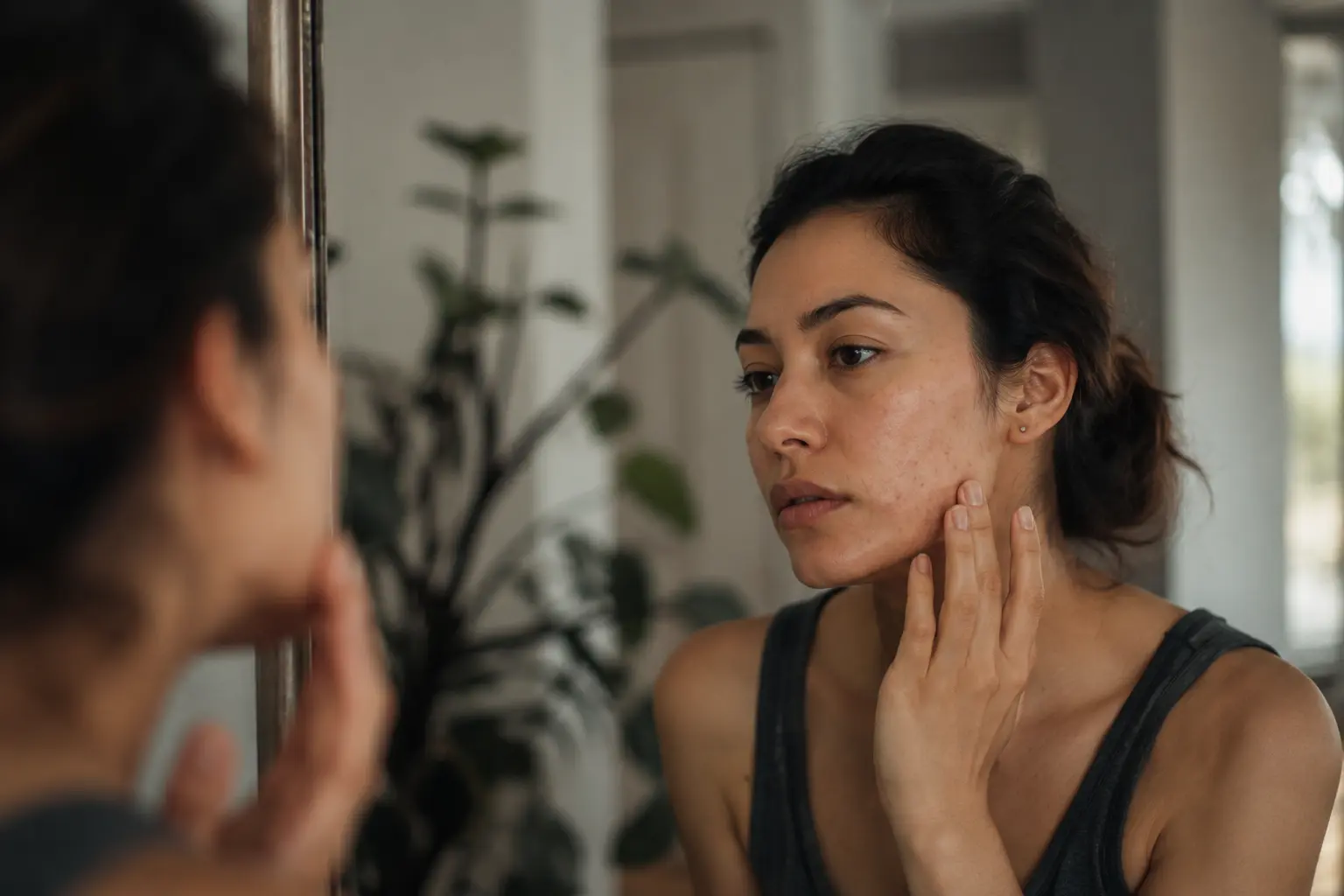
You wake up, look in the mirror, and there it is again—another cluster of angry red bumps spreading across your chin right before an important meeting, because of course hormonal skin changes have impeccable timing to wreck your confidence.
Effective skincare routines for hormonal skin changes
Building a skincare routine that actually works for hormonal acne is like finding the right combination to unlock your skin’s potential. Start with a gentle cleanser in the morning and evening, something that removes oil without stripping your skin raw. Then comes the tricky part: finding a moisturizer that hydrates without clogging your pores. Many young adults discover that adding a targeted spot treatment with salicylic acid or benzoyl peroxide helps prevent breakouts before they fully form. The key is consistency. Sarah, a 24-year-old marketing manager, swears by her three-step routine: cleanse, treat with a lightweight serum, then moisturize. She noticed results within two weeks of sticking to it religiously. The mistake most people make is abandoning their routine after a few days when they don’t see instant results, or switching products constantly instead of giving them time to work.
- Choose skincare products formulated for acne-prone skin.
- Avoid over-washing your face, as it can strip away natural oils and worsen acne.
- Don’t skip moisturizing, as hydrated skin is better able to repair and protect itself.
Diet and lifestyle adjustments for clearer skin
What you eat and how you live directly impact your hormones and skin clarity. Think of your body as a system where everything connects. When you’re stressed, your cortisol spikes, which triggers sebum production and inflammation. When you’re dehydrated, your skin compensates by producing even more oil. Young adults often underestimate how much sleep matters, but pulling all-nighters before exams or scrolling until 2 AM genuinely worsens breakouts. Try drinking more water throughout the day, aiming for at least eight glasses. Reduce refined sugars and processed foods, which can spike insulin and aggravate acne. Exercise regularly, even just 30 minutes of walking, because it reduces stress and improves circulation. Michael, a 22-year-old college student, cut out energy drinks and started sleeping eight hours nightly. His skin cleared up within three weeks. The hardest part isn’t knowing what to do; it’s actually doing it consistently when life gets chaotic.
💬 Ready to feel better in 2 minutes?choose where to begin:
Natural remedies and supplements to consider
Before reaching for prescription treatments, many young adults explore natural options that can genuinely help. Tea tree oil has antibacterial properties and can reduce inflammation when diluted properly and applied to active breakouts. Witch hazel acts as a gentle astringent, helping to tighten pores and reduce excess oil. Aloe vera soothes irritated skin without adding heaviness. Beyond topicals, supplements like zinc support immune function and skin healing, while omega-3 fatty acids reduce inflammation from the inside out. Vitamin A promotes cell turnover and prevents clogged pores. Some people find that spearmint tea, consumed daily, helps balance androgens and reduce hormonal breakouts. Emma, a 25-year-old who preferred natural approaches, combined zinc supplements with a consistent skincare routine and noticed her breakouts decreased significantly. However, it’s important to remember that natural doesn’t always mean safer or faster. Results take time, and what works for one person may not work for another.
Seeking professional guidance for persistent acne concerns
Sometimes despite your best efforts with routines, diet, and natural remedies, hormonal acne stubbornly persists. This is when seeing a dermatologist becomes genuinely valuable. A dermatologist can identify whether your acne is truly hormonal or caused by bacteria, and they can prescribe targeted treatments like topical retinoids, oral antibiotics, or hormonal birth control that directly address root causes. Advanced procedures like chemical peels or laser therapy can also help reduce scarring and active breakouts. Many young adults feel embarrassed seeking professional help, thinking they should be able to handle it alone, but dermatologists see hundreds of acne cases monthly and approach them without judgment. James, a 23-year-old, finally scheduled a dermatology appointment after six months of struggling. His dermatologist prescribed a retinoid and recommended a specific cleanser combination. His skin transformed within two months. The earlier you seek professional guidance when self-care isn’t working, the faster you can move toward clearer skin and regain your confidence.
Managing hormonal acne as a young adult involves layering multiple strategies: developing a consistent skincare routine tailored to acne-prone skin, making intentional diet and lifestyle adjustments, exploring natural remedies and supplements that support skin health, and knowing when to seek professional dermatological guidance for persistent concerns. Real results come from patience, consistency, and finding what works specifically for your body.
Can hormonal acne be cured permanently?
While hormonal acne can be challenging to treat, it can be managed effectively with the right skincare routine, lifestyle changes, and sometimes medical interventions. However, complete permanent cure is not always guaranteed.
Is hormonal acne only a concern for teenagers?
Hormonal acne can affect individuals beyond their teenage years, including young adults. It is essential to address hormonal imbalances and take steps to manage acne regardless of age.
Others also read:
Disclaimer: This article is for informational purposes only and is not a substitute for professional medical advice. Always consult a healthcare professional for personal guidance.
This article presents an experience-based perspective and has been reviewed by the GlobalHealthBeacon editorial team in 2026. It provides structured, evidence-based information to support informed health decisions.

