Part of: Metabolic & Hormonal Health
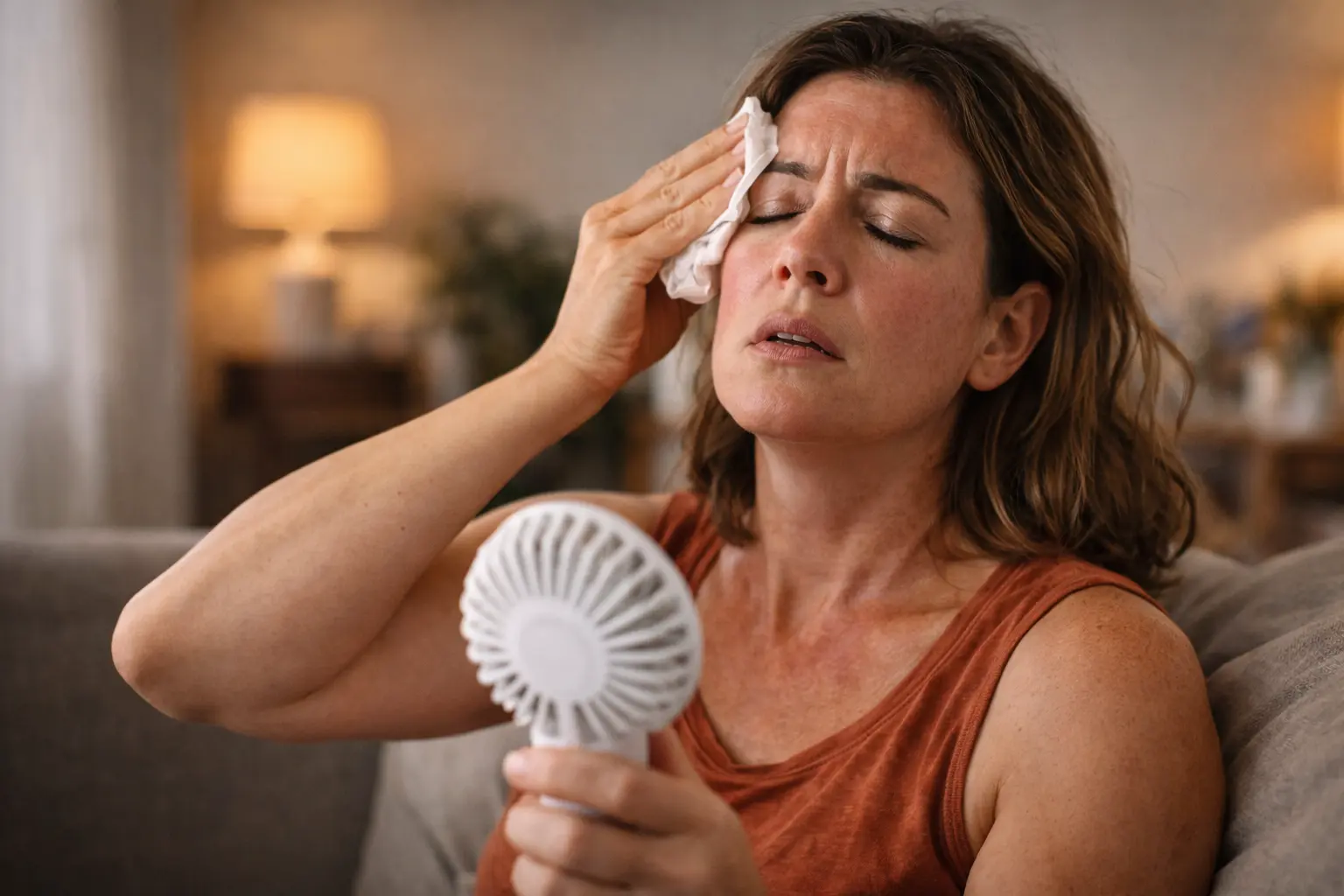
Menopause hot flashes are sudden episodes of intense heat and perspiration experienced by women during the menopausal transition. These episodes, also known as hot flushes, represent one of the most common symptoms associated with menopause and perimenopause, affecting the majority of women navigating this life stage. Hot flashes occur due to fluctuating hormone levels—particularly estrogen—which alter the body’s temperature regulation mechanisms, causing the thermoregulatory system to become increasingly sensitive to even minor changes in core body temperature.
A typical hot flash involves a rapid sensation of warmth spreading across the chest, neck, and face, often accompanied by visible flushing, profuse sweating, and increased heart rate. The duration and frequency of these episodes vary significantly among individuals, ranging from brief moments lasting seconds to prolonged experiences spanning several minutes, with episodes occurring multiple times daily or sporadically throughout weeks and months. Understanding the biology and triggers of hot flashes is essential for recognizing patterns and identifying potential management strategies tailored to individual circumstances.
Managing menopause hot flashes encompasses a broad spectrum of approaches, from lifestyle modifications and self-care strategies to medical interventions. Options range from non-pharmacological approaches such as dietary adjustments, stress reduction, and environmental modifications, to pharmacological treatments including hormone replacement therapy and non-hormonal medications. The effectiveness of different relief methods varies considerably depending on severity, individual health profile, and personal preferences, making informed decision-making critical for optimal symptom management.
This comprehensive resource section brings together evidence-based information, practical guidance, and real-world perspectives across diverse age groups and life circumstances. Whether seeking to understand the scientific basis of hot flashes, exploring available treatment options, or discovering proven relief strategies, this collection provides multiple entry points for accessing information relevant to managing menopause hot flashes effectively and improving quality of life during this transitional period.
The Mayo Clinic explains that hot flashes are common symptoms of menopause caused by changing hormone levels affecting the body’s temperature regulation, describes typical experiences, and outlines factors that can trigger or worsen them. → Click here