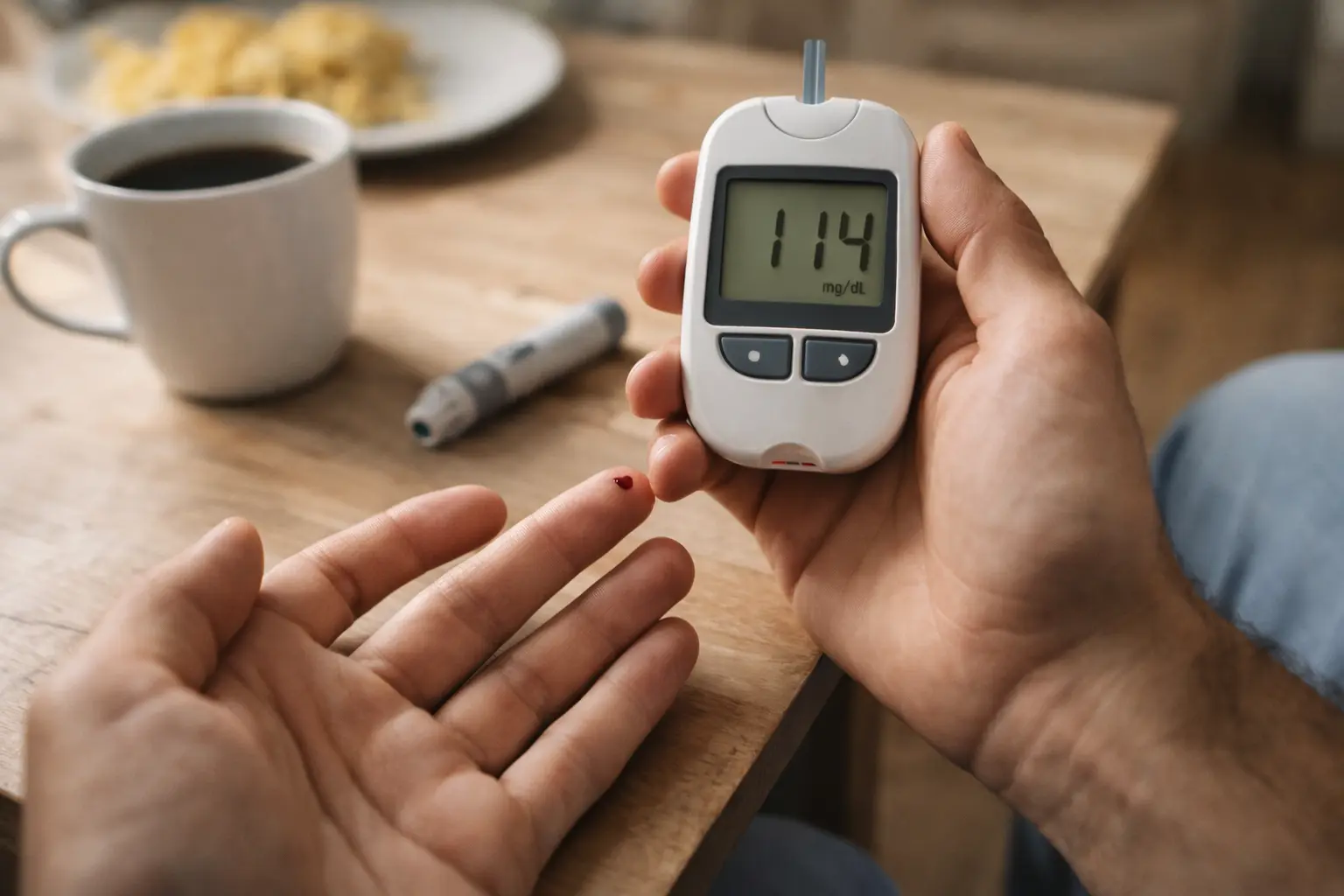
You wake up tired, grab coffee, and by noon you’re crashing hard, wondering why your energy tanks so fast, and it hits you that maybe your fasting blood sugar levels are trying to tell you something is off.
Understanding fasting blood sugar levels
Fasting blood sugar levels measure the amount of glucose circulating in your bloodstream after you’ve gone without food for at least eight hours, typically overnight. Think of it as a baseline snapshot of how your body manages glucose when it’s not actively digesting a meal. For young adults, normal fasting blood sugar typically falls between 70 to 100 mg/dL. If your results come back between 100 and 125 mg/dL, that’s the prediabetes range, which serves as an important wake-up call. Anything above 126 mg/dL on two separate tests usually indicates diabetes. Understanding where you fall on this spectrum matters because it tells you whether your pancreas is doing its job efficiently or if your cells are becoming resistant to insulin. Many young adults are surprised to learn their levels are creeping upward, especially if they’ve been living on processed foods and skipping exercise.
- Regularly monitor your fasting blood sugar levels to track fluctuations and identify patterns over time.
- Maintain a healthy diet rich in whole foods and low in processed sugars to help stabilize blood sugar.
- Stay active with regular exercise to improve insulin sensitivity and manage blood sugar levels effectively.
Signs your blood sugar levels might be high
Elevated blood sugar doesn’t always announce itself loudly, but your body does send signals if you know what to listen for. Increased thirst is often one of the first signs, where you find yourself constantly reaching for water or other drinks, even when you haven’t been exercising. Frequent urination follows closely behind, especially noticeable at night when you’re making multiple bathroom trips. Fatigue is another common culprit, that bone-deep tiredness that coffee can’t fix and sleep doesn’t fully resolve. You might also experience blurry vision, headaches, or difficulty concentrating at work or school. Some young adults describe it as brain fog that makes afternoon meetings feel impossible. If you’re noticing a combination of these symptoms, particularly if they’ve developed gradually over weeks or months, that’s your signal to schedule a blood test with your healthcare provider. Don’t brush it off as stress or poor sleep, because these symptoms often point to something metabolic that deserves attention.
📘 Fix your day in under 2 minuteschoose where to begin:
Tips for managing blood sugar levels naturally
Managing your blood sugar naturally starts with what you put on your plate. Whole grains like oats and quinoa digest more slowly than white bread, keeping your glucose levels steady throughout the morning. Pair them with lean proteins like chicken, fish, or beans, which slow down sugar absorption even further. Vegetables, especially leafy greens and broccoli, add fiber and nutrients without spiking your blood sugar. Beyond food, stress management plays a surprisingly powerful role. When you’re stressed, your body releases cortisol, which signals your liver to release stored glucose, pushing your fasting levels higher. That’s why yoga, meditation, or even a 20-minute walk can genuinely help regulate your numbers. Sleep matters too, because poor sleep disrupts the hormones that control hunger and glucose metabolism. Aim for seven to nine hours nightly. Movement doesn’t have to mean the gym, either. A 10-minute walk after meals, taking the stairs, or dancing while cooking all count. Small, consistent habits compound faster than you’d expect.
Importance of regular blood sugar testing
Routine blood sugar testing transforms abstract health concerns into concrete data you can actually work with. When you test regularly, you start seeing patterns. Maybe your levels spike after certain meals, or perhaps they’re consistently higher on days when you skip exercise. This information is gold because it lets you make targeted adjustments instead of guessing. Testing also helps you track whether your lifestyle changes are actually working, which provides real motivation to keep going. Your healthcare provider can recommend how often you should test based on your individual situation. If you have prediabetes, quarterly testing might make sense. If you’re at higher risk, more frequent monitoring could be warranted. Some young adults use home glucose monitors to test multiple times weekly, which gives them detailed insight into their personal patterns. The key is consistency, because sporadic testing doesn’t reveal trends. Think of it like checking your bank account regularly instead of once a year, you catch problems early and make better decisions.
Seeking professional guidance
If you’re concerned about your fasting blood sugar levels or suspect something is off, reaching out to a healthcare professional isn’t overreacting, it’s smart self-care. Your doctor can order comprehensive blood work to rule out diabetes, check your A1C levels which show your average glucose over three months, and assess other metabolic markers. They can also evaluate whether other factors like thyroid issues, hormonal imbalances, or medication side effects might be influencing your numbers. A registered dietitian can create a personalized eating plan that fits your lifestyle and preferences, not just hand you a generic list of foods to avoid. Some practices also offer continuous glucose monitors, which give real-time feedback on how your body responds to specific foods and activities. This personalized approach matters because what works for your friend might not work for you. Getting professional support early, especially if you’re in the prediabetes range, can genuinely prevent progression to type 2 diabetes. You’re not being dramatic by seeking help, you’re being proactive about your long-term health.
Monitoring your fasting blood sugar levels and making lifestyle adjustments, such as maintaining a healthy diet and staying active, are key steps in managing your overall health. Consulting a healthcare provider for personalized guidance is essential for addressing any concerns or potential risk factors.
What should I do if my fasting blood sugar levels are consistently high?
If you notice persistently elevated fasting blood sugar levels, it’s advisable to seek medical advice promptly. Your healthcare provider can conduct further tests to determine the underlying cause and recommend appropriate treatment or lifestyle modifications.
Can fasting blood sugar levels fluctuate throughout the day?
Yes, blood sugar levels can vary based on factors such as meal timing, physical activity, stress levels, and overall health. Monitoring your levels regularly and maintaining a consistent lifestyle can help stabilize fluctuations.
Others also read:
Disclaimer: This article is for informational purposes only and is not a substitute for professional medical advice. Always consult a healthcare professional for personal guidance.
This guide has been prepared and reviewed by the GlobalHealthBeacon editorial team and reflects current medical research as of 2026. It provides structured, evidence-based information to support informed health decisions.
