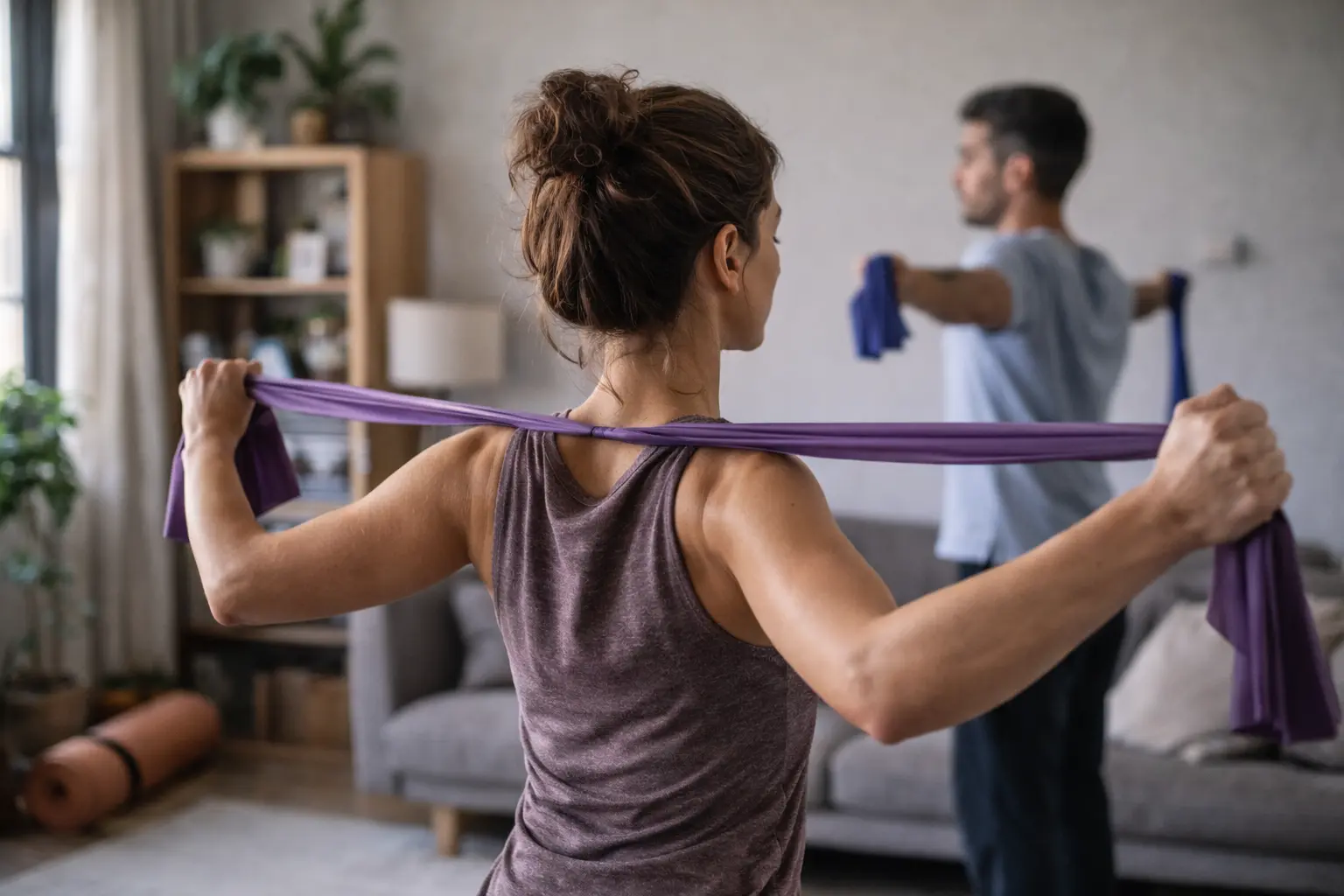
Your back aches, your shoulders feel permanently hunched, and simple tasks like reaching for a coffee mug leave you wincing in pain, but posture correction exercises might be the game-changer you’ve been searching for.
Understanding posture basics for seniors
Posture isn’t just about sitting up straight or looking confident in a photo. It’s the foundation of how your entire body functions day in and day out. Think about it this way: over decades, we develop habits. Maybe you spent years hunched over a desk at work, or perhaps you’ve been favoring one side of your body due to old injuries. These patterns become ingrained in your muscles and spine. As we age, gravity and these accumulated habits work against us, pulling our shoulders forward and rounding our upper back. The result? Strain cascades through your neck, shoulders, and lower back. A neutral spine isn’t just a buzzword, it’s your body’s natural alignment where your vertebrae stack properly and your muscles don’t have to work overtime just to keep you upright. When you understand what good posture actually feels like, you can start recognizing when you’re drifting back into old patterns.
- Maintaining a neutral spine is crucial in preventing strain on your back muscles and reducing unnecessary tension throughout your body.
- Engaging in regular stretching exercises can help loosen tight muscles and improve flexibility, making movement feel easier and more natural.
- Practicing good posture not only reduces pain but also boosts confidence and energy levels, helping you feel more like yourself again.
Practical posture correction techniques
The beauty of posture correction is that you don’t need fancy equipment or hours at a gym. Simple, deliberate movements can rewire how your body holds itself. Shoulder rolls are a perfect starting point. Slowly roll your shoulders backward in controlled circles, feeling the muscles engage and release. Chin tucks are equally powerful, yet often overlooked. Gently draw your chin back as if you’re making a double chin, hold for a few seconds, then release. This single movement engages your neck stabilizers and corrects forward head posture, something most of us develop from looking at phones and screens. Hip hinges teach your body to bend from the hips rather than rounding your spine, protecting your lower back during everyday activities like picking up grandchildren or bending to garden. The key isn’t doing these exercises once and forgetting about them. Consistency matters because your muscles need time to remember their proper positions. Start with just five minutes daily, and you’ll notice your body gradually shifting into better alignment.
💬 Ready to feel better in 2 minutes?choose where to begin:
The impact of posture on overall health
Poor posture does more damage than just creating back pain. When your chest is collapsed and your shoulders rounded forward, your lungs have less room to expand, which means you’re not breathing as deeply or efficiently as you could be. This affects oxygen delivery throughout your body and can leave you feeling more tired than you should be. Your joints bear extra stress too. Misaligned shoulders, hips, and knees create uneven pressure distribution, accelerating wear and tear over time. Even your digestion can suffer when your spine is compressed and your organs are crowded. Beyond the physical, poor posture affects how you feel mentally and emotionally. Studies show that people who stand and sit with better alignment report feeling more confident, energized, and positive. It’s not just in your head either, it’s physiology. When you correct your posture, you’re literally opening up your body, improving blood flow, reducing muscle tension, and signaling to your nervous system that everything is okay.
Maintaining posture progress: the long-term approach
The real transformation happens when posture correction becomes part of your daily life rather than a temporary fix you try for a few weeks. Think of it like brushing your teeth. You don’t expect one brushing to keep your teeth clean forever, right? The same applies here. Weave these exercises into moments you already have. Do shoulder rolls while your coffee brews. Practice chin tucks during your morning news. Take a mindful walking break after lunch, focusing on how your body feels in space. Keep a simple journal noting when you feel better or notice yourself slipping into old patterns. Maybe you realize your posture collapses when you’re stressed or tired, and that awareness alone helps you catch it sooner. Celebrate the small victories. Notice when you can reach higher without pain. Feel proud when someone comments that you seem taller or more energetic. These aren’t coincidences, they’re evidence that your body is responding and adapting to the work you’re putting in.
Understanding the importance of posture correction exercises for seniors is key to improving alignment, reducing pain, and enhancing overall quality of life. Consistent practice and dedication can lead to long-lasting benefits beyond just physical health.
Can posture correction exercises really make a difference for seniors?
Yes, posture correction exercises can significantly improve alignment, reduce pain, and enhance mobility for seniors. Consistent practice is essential to see lasting results.
Are there specific exercises that seniors should avoid for posture correction?
Seniors should avoid high-impact exercises that can strain the joints and exacerbate existing posture issues. Gentle stretching and strengthening exercises tailored to individual needs are more beneficial.
Others also read:
Disclaimer: This article is for informational purposes only and is not a substitute for professional medical advice. Always consult a healthcare professional for personal guidance.
This article presents an experience-based perspective and has been reviewed by the GlobalHealthBeacon editorial team in 2026. It provides structured, evidence-based information to support informed health decisions.
